

When I first bought my fixer-upper property, I had grand visions of lush flower beds and manicured pathways. But when spring arrived, I woke up to find my yard completely taken over by a relentless green carpet. It was Goutweed (also known as Bishop's Weed or Ground Elder)—one of the most aggressive, invasive weeds you can get in a garden.
It crept under my strawberry beds, invaded the greenhouse, and choked out my perennials. Because I have a dog and a cat that roam the yard, dousing the property in toxic chemical herbicides like glyphosate was completely out of the question.
It was either me or the weeds. After a lot of trial, error, and sweat, I found a 100% organic, two-step strategy that actually eradicated the colony. Here is how I won the war.
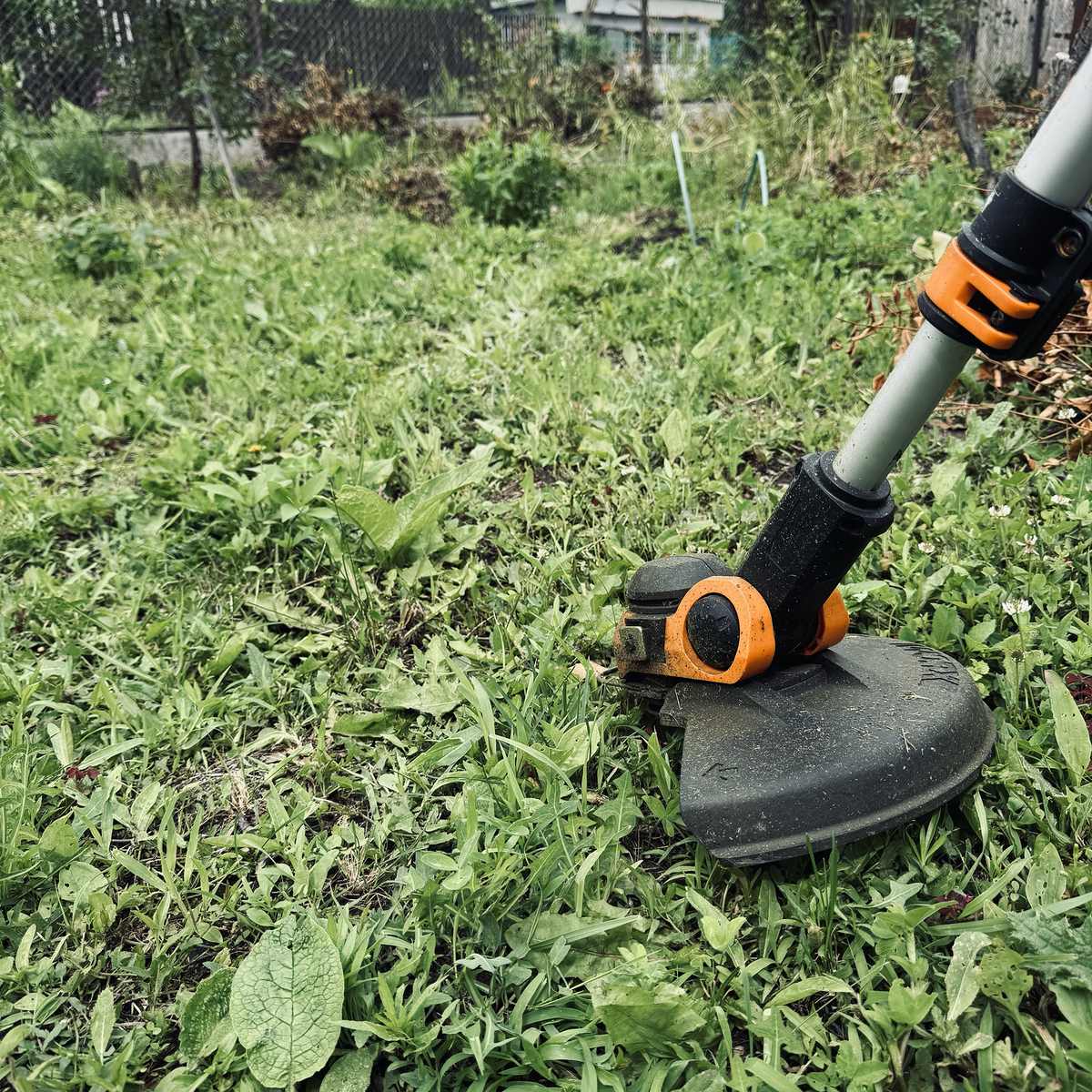
Step 1: The "Scalping" Method (Starve the Roots)
My first instinct was to grab my lightweight string trimmer and whack the weeds down. The problem? A week later, the Goutweed grew back twice as thick. I realized that a standard trim just stimulates the plant's growth hormones.
To kill an invasive weed, you have to starve its massive underground root system.
The Strategy: I stopped doing a regular trim and started "scalping" the weeds. I took the string trimmer all the way down to the bare dirt, completely removing every single green leaf so the plant couldn't photosynthesize.
The Routine: I did this ruthlessly every 4 to 5 days. I didn't give the plant a chance to see the sun.
After two weeks, the yard looked like a barren wasteland, but the weed was visibly weakening. By month two, the thick carpet was reduced to a few sparse, struggling sprouts.
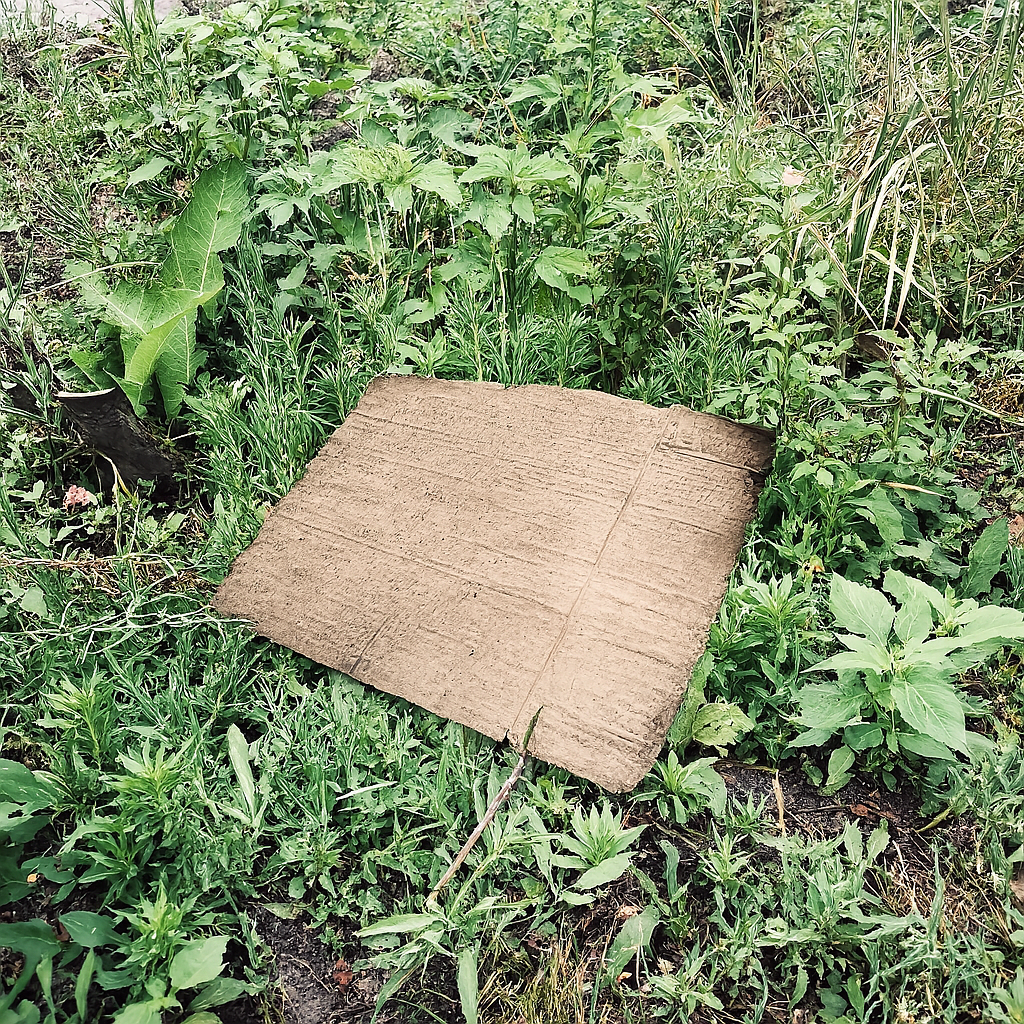
Step 2: Sheet Mulching (The Cardboard Shield)
Scalping worked great for the open areas, but Goutweed loves to hide in hard-to-reach spots—around the compost bins, under the old pear tree, and right at the edges of garden beds where a string trimmer can't safely go.
For these stubborn spots, I used a classic permaculture technique known as Sheet Mulching.
The Setup: I went to a local grocery store and grabbed a stack of plain, heavy-duty cardboard boxes (remove all tape and staples).
The Application: I laid the cardboard down in two thick, overlapping layers directly over the weeds. I soaked the cardboard thoroughly with a hose, then weighed it down with a few heavy bricks and some scrap wood.
The Science: The thick, wet cardboard acts as an impenetrable barrier. It completely blocks out sunlight and air, creating a humid, dark environment that causes the weed's root system to rot away in the soil.
When I lifted the cardboard a month later, I was stunned. The Goutweed was completely gone, and underneath was rich, dark, weed-free soil.

My "Smother and Survive" Checklist
If you are dealing with an aggressive weed takeover, keep these rules in mind:
Show No Mercy: Goutweed is a fierce competitor. If you get lazy and let it grow leaves for even a week, it will recharge its root system. You must scalp it constantly.
Overlap Your Cardboard: When sheet mulching, make sure your cardboard pieces overlap by at least 6 inches. Invasive weeds will find even the smallest gap to push through toward the sun.
Keep the Cardboard Wet: Dry cardboard can blow away or curl up at the edges. Soaking it helps it mold to the ground and speeds up the smothering process.
Be Patient: Organic weed control is a marathon, not a sprint. It takes about 3 to 5 weeks to see permanent results, but the peace of mind knowing your soil and your pets are safe is absolutely worth the effort.
You don't need a hazmat suit and a gallon of chemicals to reclaim your backyard. With a string trimmer, some recycled boxes, and a little bit of stubbornness, you can choke out even the most aggressive garden invaders.



 DIY & Decor
  Edible Garden
  Houseplants
  Lawn & Landscaping
  Outdoor Plants
  Tips & Tools
No comments yet.