
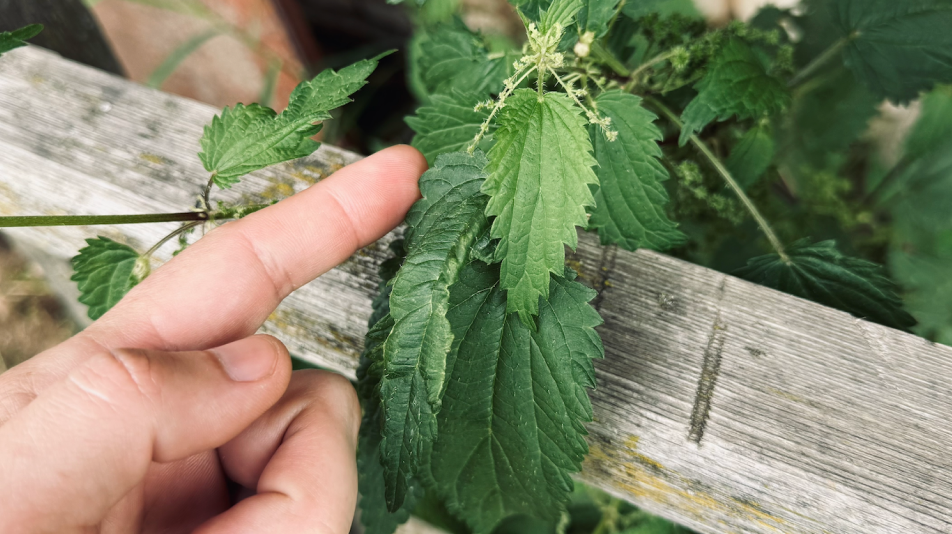
Growing up, Stinging Nettle (Urtica dioica) was the ultimate backyard enemy. If you ever ran barefoot through a patch of it as a kid, you know exactly what I mean. For years, my standard gardening protocol was to ruthlessly chop it down and toss it straight into the yard waste burn pile.

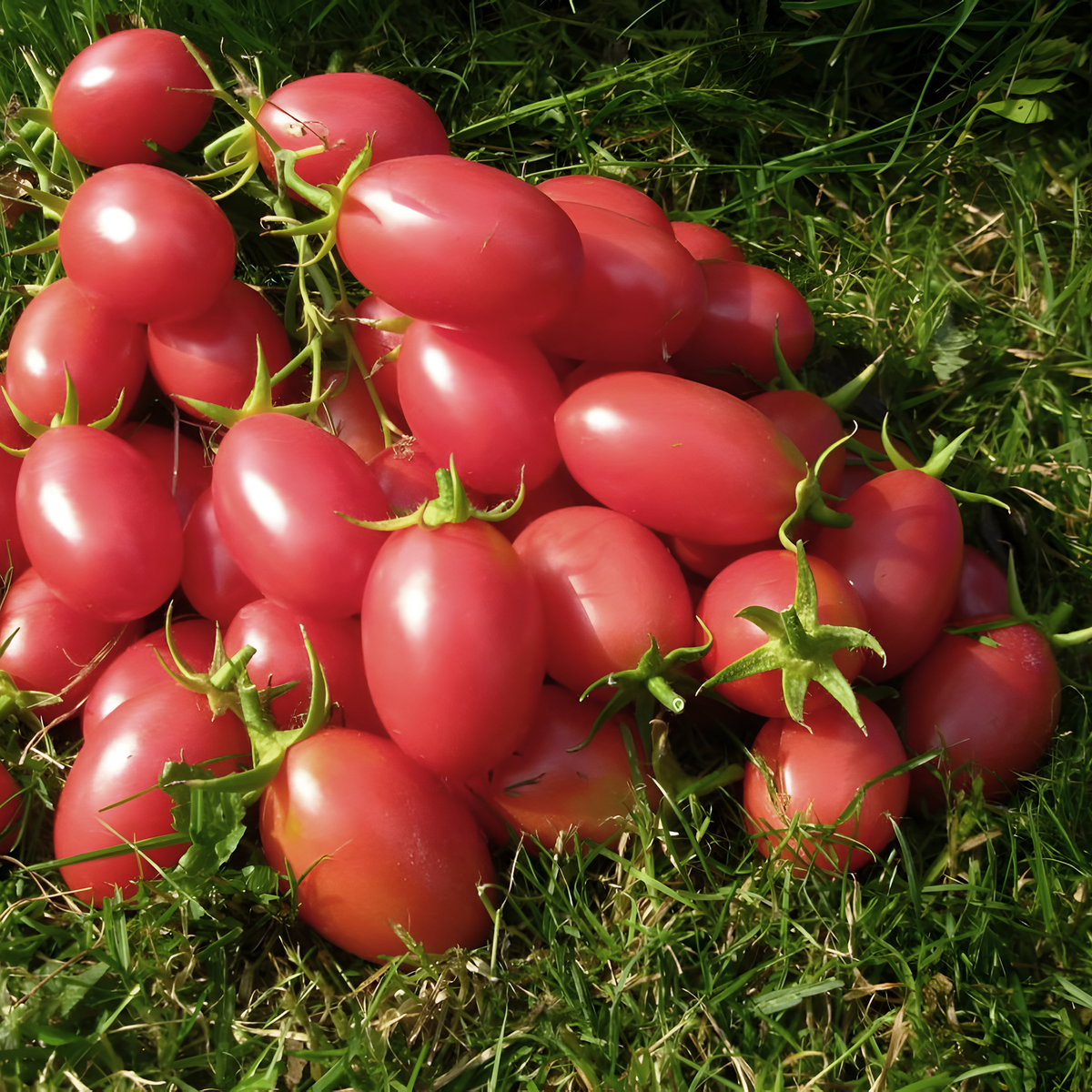
But a few seasons ago, a seasoned gardening neighbor shared an old-school permaculture secret with me. I tried it, and it completely changed my garden. Now, instead of burning this invasive weed, I actively forage my property with a bucket and a pair of heavy leather gloves, gathering every nettle I can find to use as mulch for my tomatoes.
Here is why this "nuisance weed" is actually liquid gold for your vegetable garden, and exactly how to use it.
The Science: Why Nettle is a Super-Mulch
Stinging nettle is what permaculture experts call a "dynamic accumulator." Its deep root system mines essential nutrients from deep within the subsoil and stores them in its leaves.
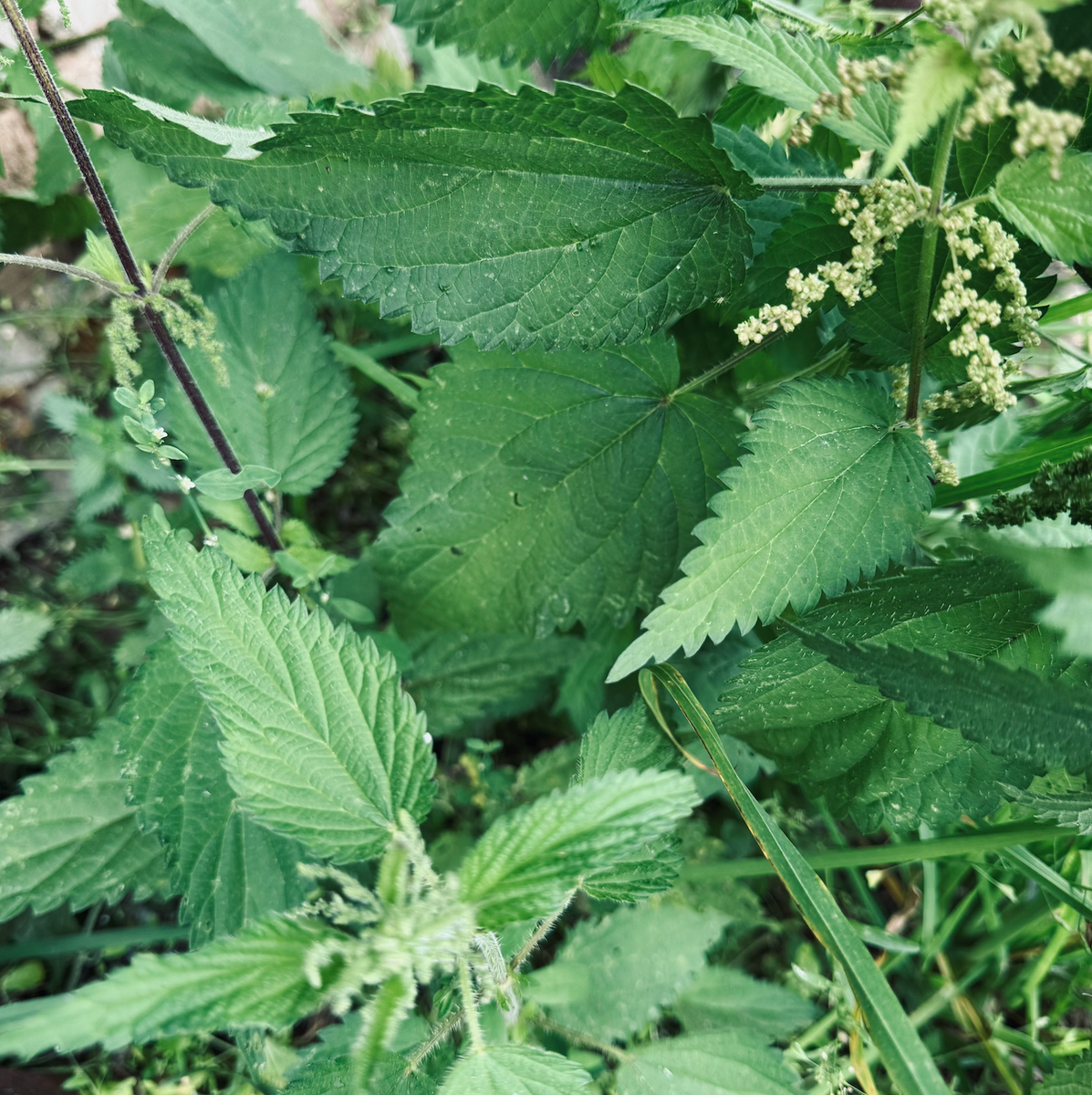
The NPK Boost: Nettle foliage is packed with Nitrogen, Phosphorus, and Potassium—the exact macronutrients heavy-feeding tomatoes need to thrive.
Silica Power: Nettle is incredibly high in silica, a mineral that strengthens plant cell walls, helping tomato vines grow thick and sturdy to support heavy fruit.
Moisture Retention: Like any good organic mulch, a thick layer of nettle shields the soil from the baking summer sun, keeping the root zone moist, cool, and loose.
How to Mulch With Nettle (My Step-by-Step Method)
You can't just rip it out of the ground and throw it on your beds. To get the maximum benefit without causing issues, follow these steps:
Chop it Early: Always harvest your nettle before it goes to seed (flowers). You want the young, nutrient-dense leaves, and you absolutely do not want to accidentally plant nettle seeds in your tomato beds!
Let it Wilt: Leave the chopped nettle out in the hot sun for a day or two. Wilting the leaves removes excess moisture so it doesn’t turn into a slimy, rotting mess when you apply it. (Bonus: wilting neutralizes the "sting"!)
The Application: Spread a 2 to 3-inch layer of wilted nettle around the base of your tomato plants. Crucial rule: leave an inch of bare dirt around the main stem to prevent crown rot.
Water it In: Give the mulch a good soaking with the garden hose to help it settle and kickstart the decomposition process.
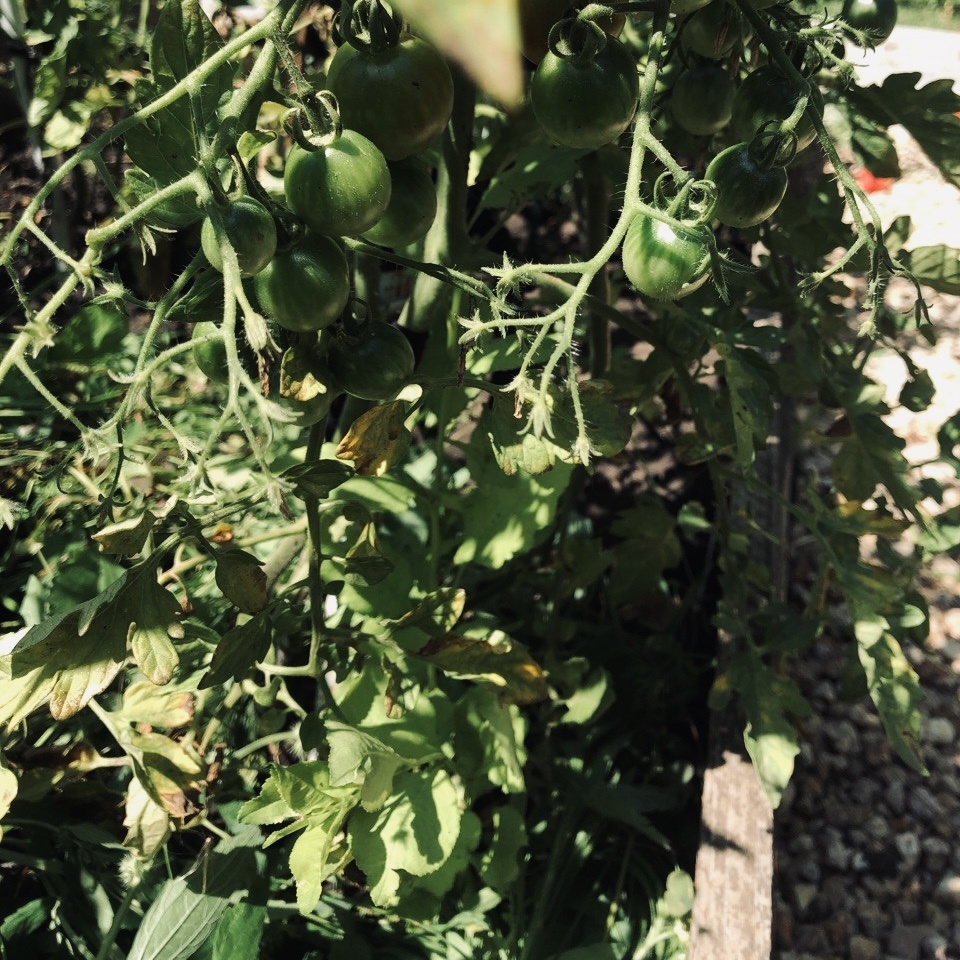
Within a few weeks, the nettle will break down into a dark, rich, earthy layer, leaving the soil underneath feeling like a damp, nutrient-dense sponge.
Nettle vs. Straw and Hay
I have mulched my tomatoes with everything—straw, dried grass clippings, and pine needles. Nettle beats them all for a few key reasons:
No Nitrogen Tie-Up: When you use heavily carbon-based mulches like straw or wood chips, they can actually pull nitrogen out of your soil as they decompose (a process called nitrogen drawdown). Because nettle is a "green" mulch, it actively feeds nitrogen into the soil as it breaks down.
No Weed Seeds: Unlike pasture hay, which is often loaded with grass and weed seeds, pre-bloom nettle is completely sterile.
Pest Resistance: Thick straw often becomes a damp breeding ground for slugs and pillbugs. Nettle breaks down faster and doesn't seem to attract the same slimy pests.
The Odor Myth
A lot of gardeners worry that rotting greens will smell like a swamp. If you follow the wilting step, there is absolutely no foul odor. It just smells like a freshly mowed summer meadow.
It also won't attract bad bugs. In fact, as the nettle breaks down, it acts as an absolute magnet for earthworms. When I pull back the nettle mulch in August, the soil surface is practically churning with worms aerating the roots of my tomatoes.
Final Thoughts
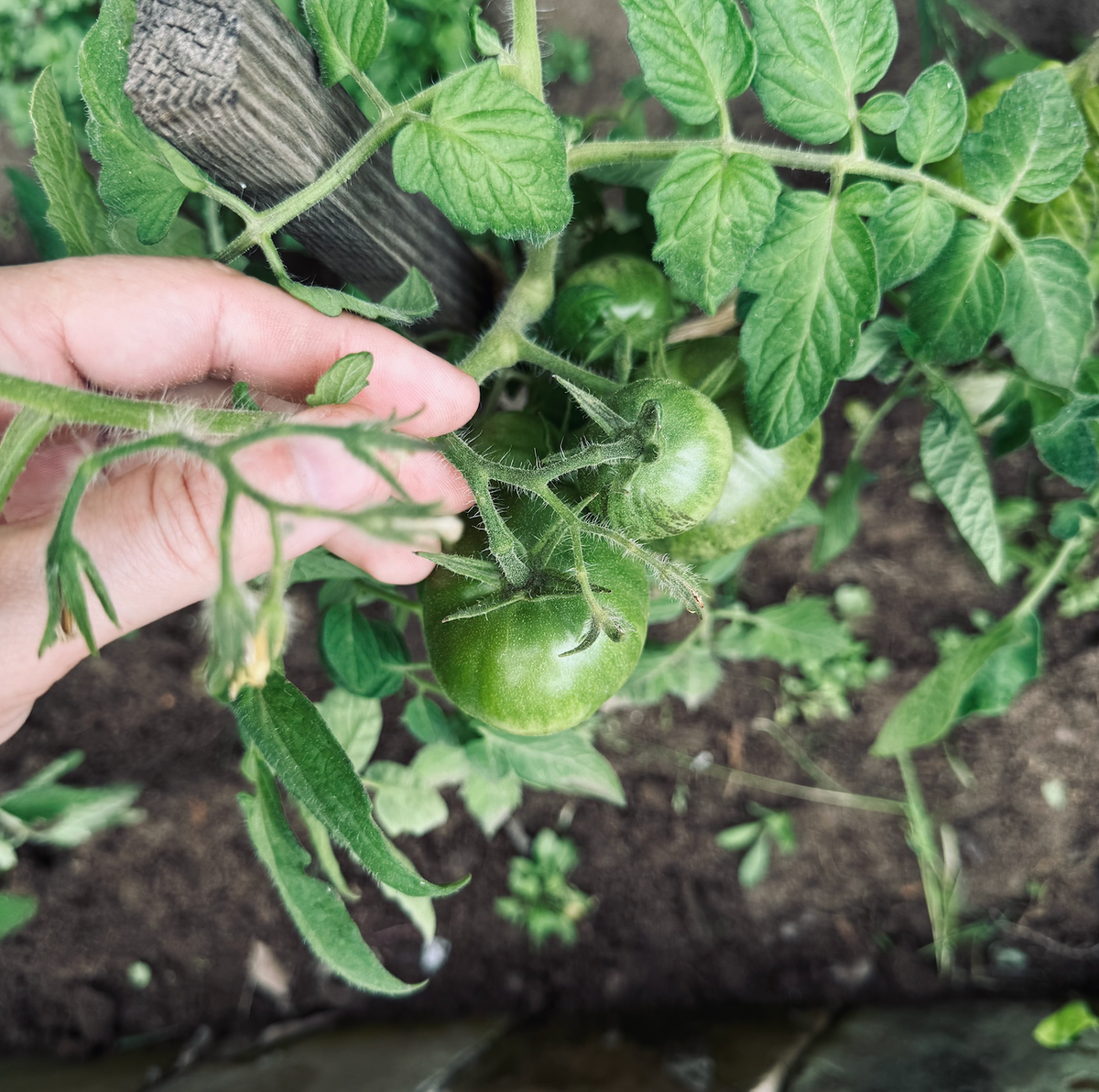
Since I switched to nettle mulch, my tomato yields have noticeably increased. The vines are healthier, the fruits ripen earlier, and I spend zero time weeding or desperately watering during July heatwaves.
Do you have stinging nettle growing on your property? Have you ever used "dynamic accumulators" to feed your garden? Share your favorite mulching strategies in the comments below!


 DIY & Decor
 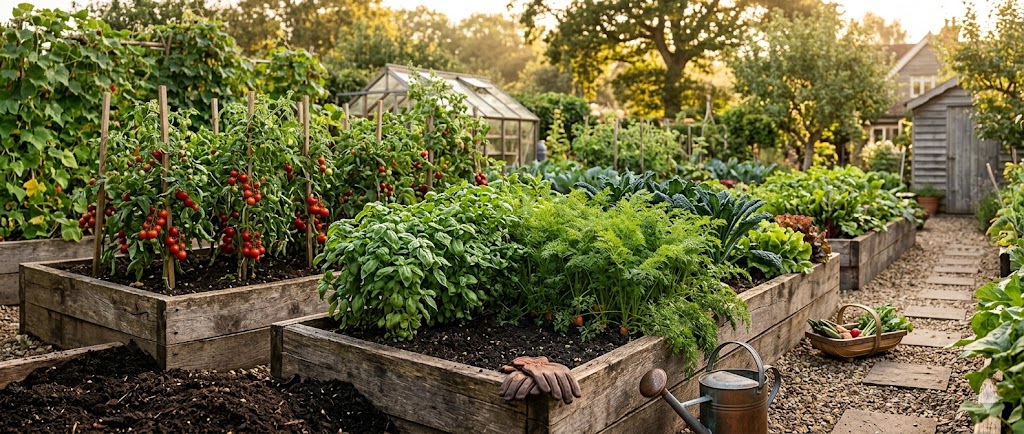 Edible Garden
  Houseplants
  Lawn & Landscaping
  Outdoor Plants
  Tips & Tools

No comments yet.