
Hello, my fellow garden lovers! It’s Antonina. Every season, I try to turn my older weekend cabin into a little slice of paradise, despite dealing with limited square footage, wonky fence lines, and weeds that seem to grow faster than I can pull them.
My entire lot is only about 1/8 of an acre (around 5,000 square feet). When I first started, I was completely overwhelmed. Where do the vegetable beds go? Where do I plant flowers? How on earth do I fit in a patio, a grape trellis, and a seating area? I had the dreams of a sprawling homestead, but the reality of a postage-stamp yard.
But over the years, I’ve discovered a few landscaping tricks that make even the most modest lot feel spacious, structured, and incredibly cozy. Here are 5 proven zoning ideas that will completely transform your small yard!
1. Build Up with Multi-Level Terracing
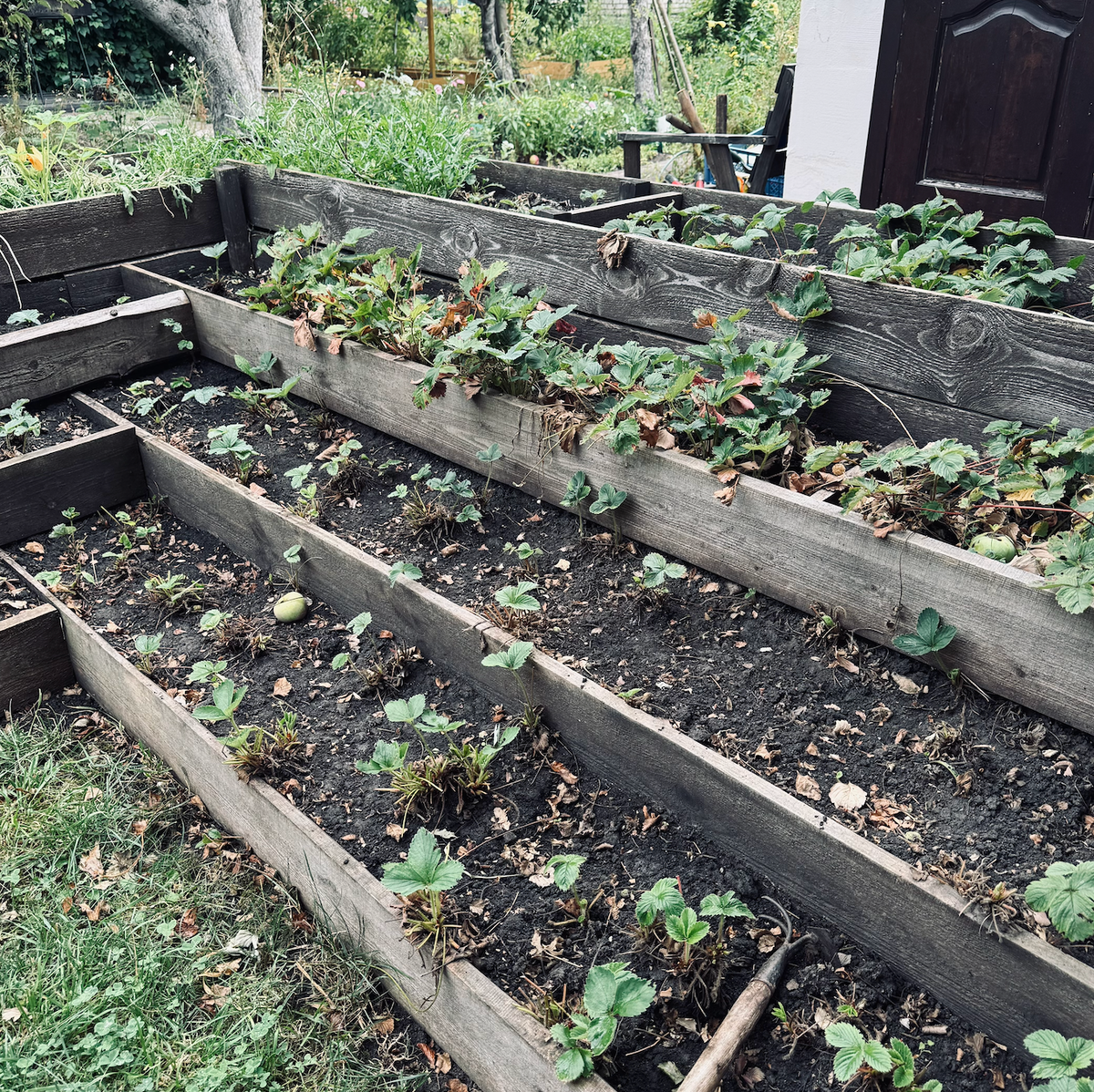
A perfectly flat yard actually looks much smaller than it is because your eye takes it all in at a single glance. When you add elevation—raised beds, small terraces, or elevated planters—your eye is forced to travel up and down, creating a deep sense of dimension.

Since I love tackling DIY carpentry projects around the cabin, I fired up my saws and built a three-tier wooden raised bed for my strawberries right next to the garden shed. Not only does this save my back during harvest time, but it also visually wakes up a corner of the yard that used to look flat and boring. I planted a border of French marigolds along the bottom tier, and now the strawberries look like a formal display!
2. Ditch the Solid Fences for "Living Screens"
When you can see straight across your entire yard from property line to property line, the space feels tiny. But if you divide the yard into "outdoor rooms" using semi-transparent barriers, it creates a sense of mystery and structure.
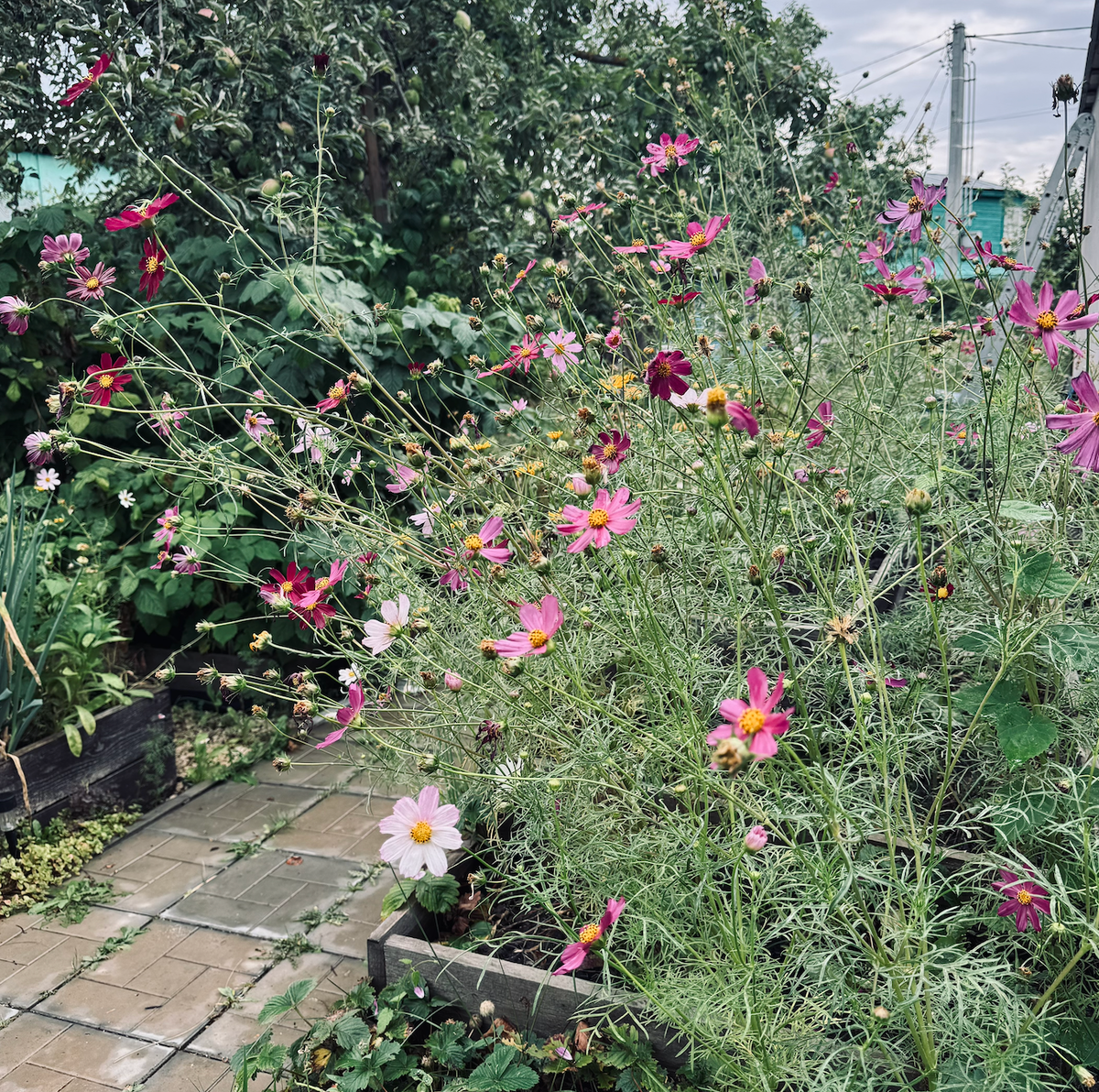
Instead of heavy wooden fences, I use living hedges. I planted a row of Lavender and Ninebark shrubs to separate my vegetable beds from the lawn. I also trained hops to grow up an old wooden arbor, which now acts as a beautiful green doorway between the main garden and our fire pit area. If you need a temporary screen to hide an ugly compost bin, a simple DIY privacy screen made of jute rope and climbing nasturtiums works wonders!
3. Embrace Curved Pathways
The most common landscaping mistake in a small yard is laying down straight, rigid pathways parallel to the fence. Straight lines visually cut the space in half. Diagonal, meandering, or S-curved pathways naturally elongate the walking distance and add a dynamic flow to the garden.
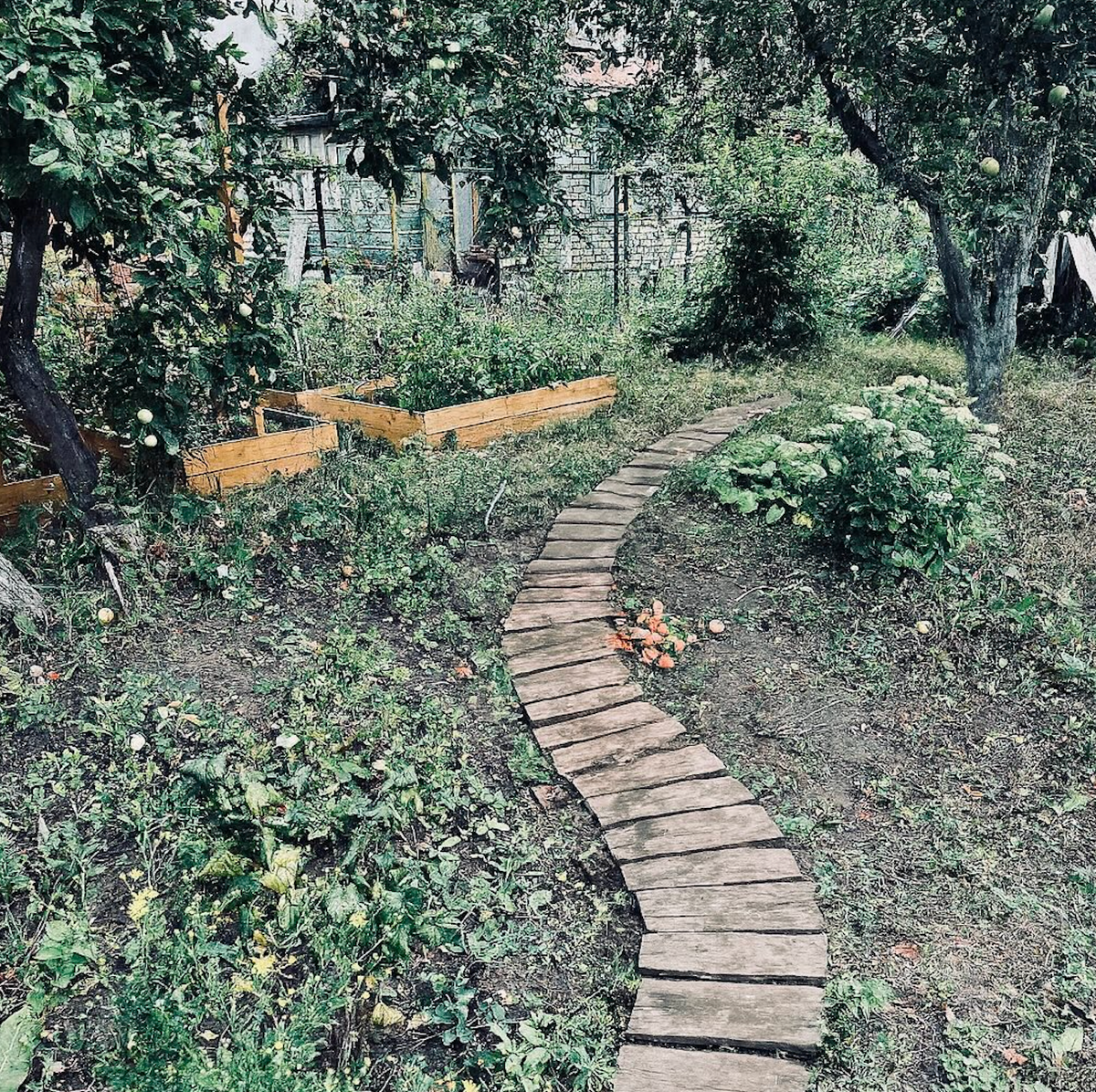
I laid down a winding garden path using reclaimed wooden boards and gravel, softening the edges by planting creeping thyme between the stepping stones. Instead of walking in a straight line from the gate to the porch, the path sweeps around flower beds and shrubs. Every turn reveals something new—a blooming hydrangea here, a rustic garden ornament there.
4. Create Multi-Functional Zones
In a small yard, you simply don't have the luxury of dedicating a separate space for a dining area, a storage shed, and a decorative garden. You have to combine them!
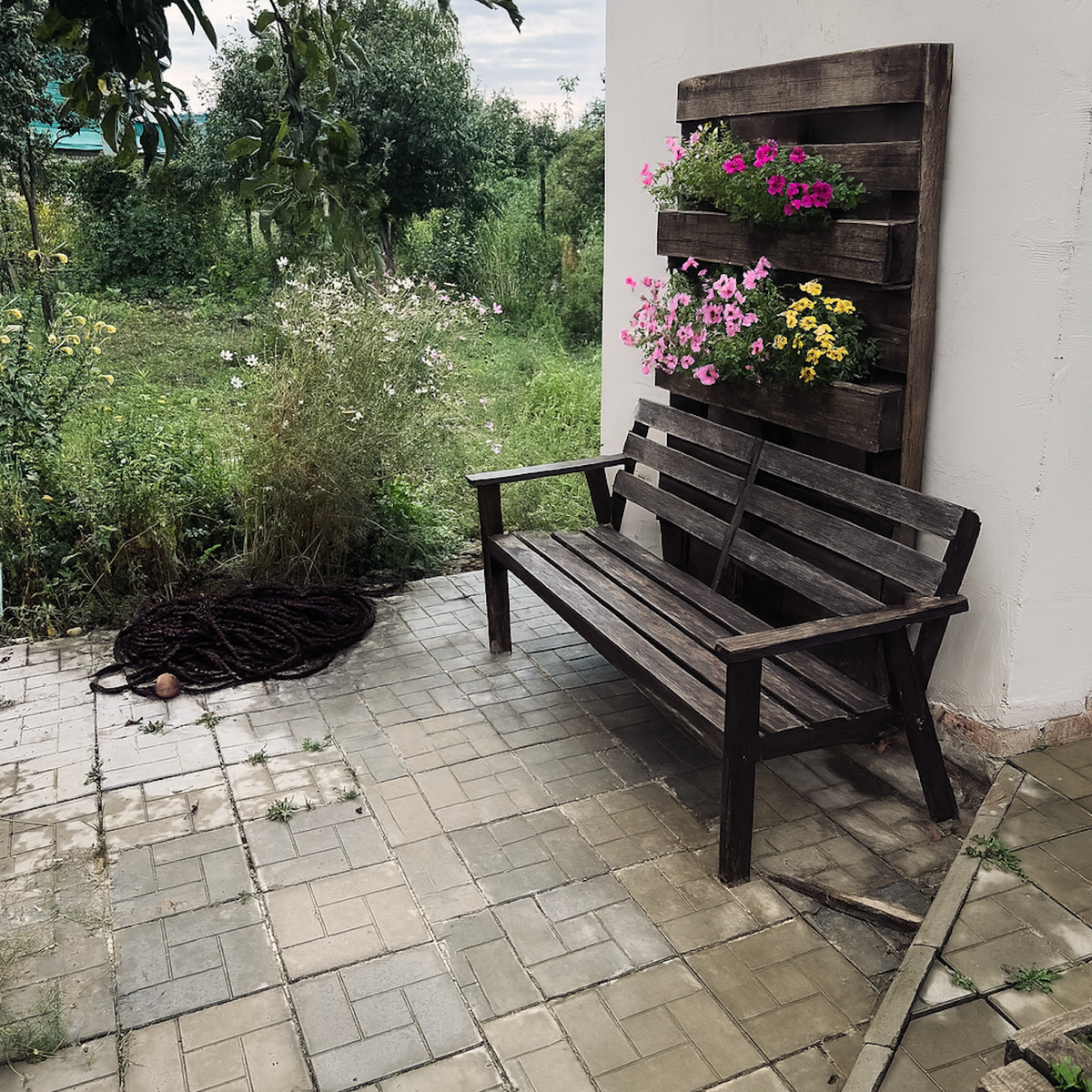
I built a heavy-duty wooden garden bench next to my peony bushes. It serves as a beautiful seating area, acts as a visual border for the flower bed, and the seat hinges open to store all my hand tools and potting soil. My grill is tucked under a small, sage-green wooden pergola. By planting morning glories and runner beans at the base of the posts, the pergola doubles as a vertical vegetable garden and a cozy, shaded outdoor cafe for summer evenings.
5. Utilize Vertical Space
If everything in your garden stays at ground level, the whole property feels flat. By adding strong vertical accents—trellises, arbors, pergolas, and obelisks—you draw the eye upward toward the sky.
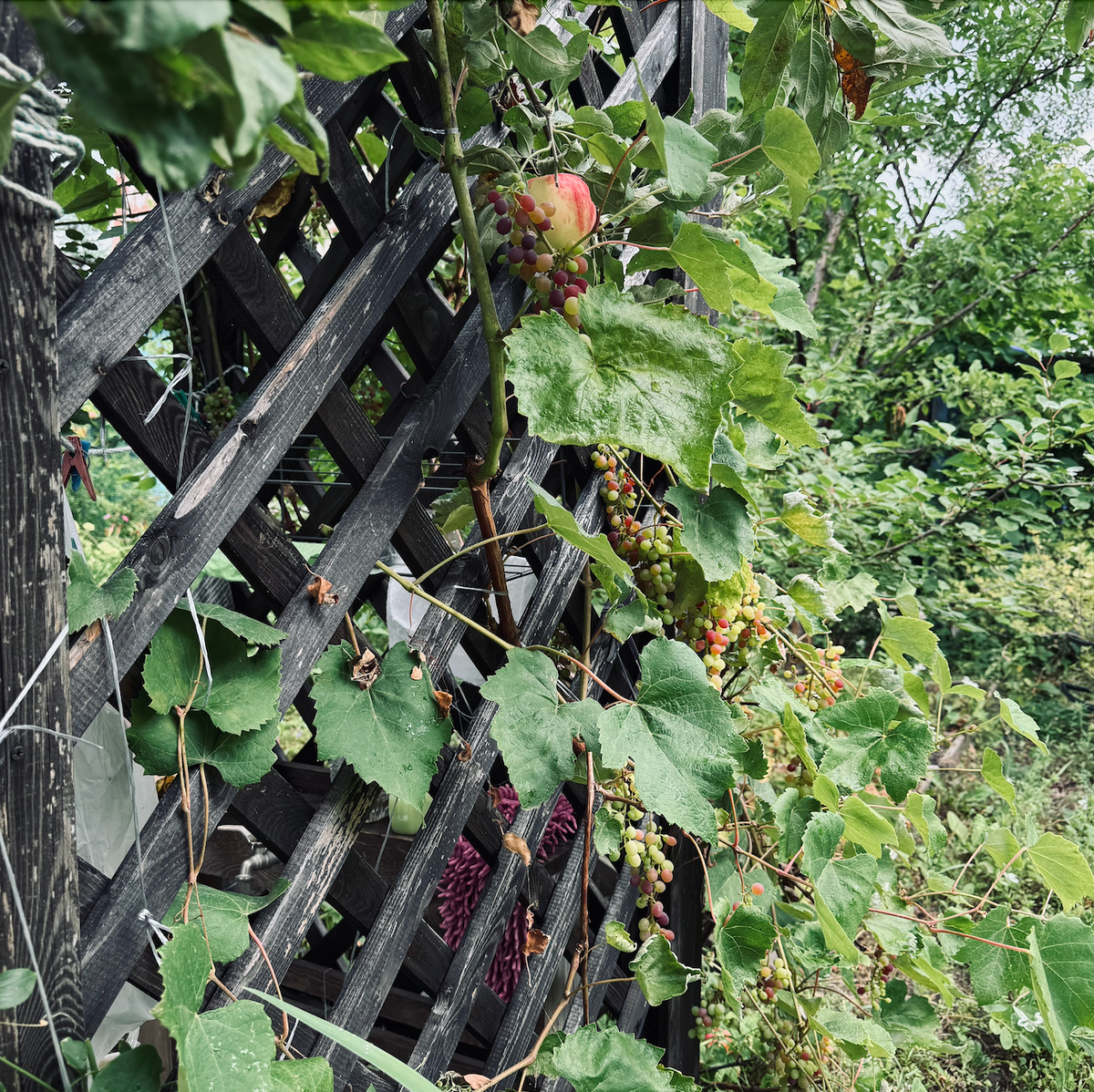
I installed a large wooden trellis for my grapes right at the entrance to the vegetable patch, placed a few tall wire obelisks for my clematis, and even repurposed a vintage wooden stepladder as a tiered stand for my potted herbs. This year, I also built hanging wooden window boxes for my culinary greens. It is basically a floating garden that takes up zero ground space, making it incredibly easy to snip some fresh dill right before dinner.
Zoning isn't about walling off your yard; it is about giving it structure, flow, and depth. Don't be afraid to experiment with heights, curves, and multi-purpose furniture. With a little creativity, even an eighth of an acre can feel like a sprawling estate!

 DIY & Decor
  Edible Garden
  Houseplants
  Lawn & Landscaping
  Outdoor Plants
  Tips & Tools




No comments yet.