
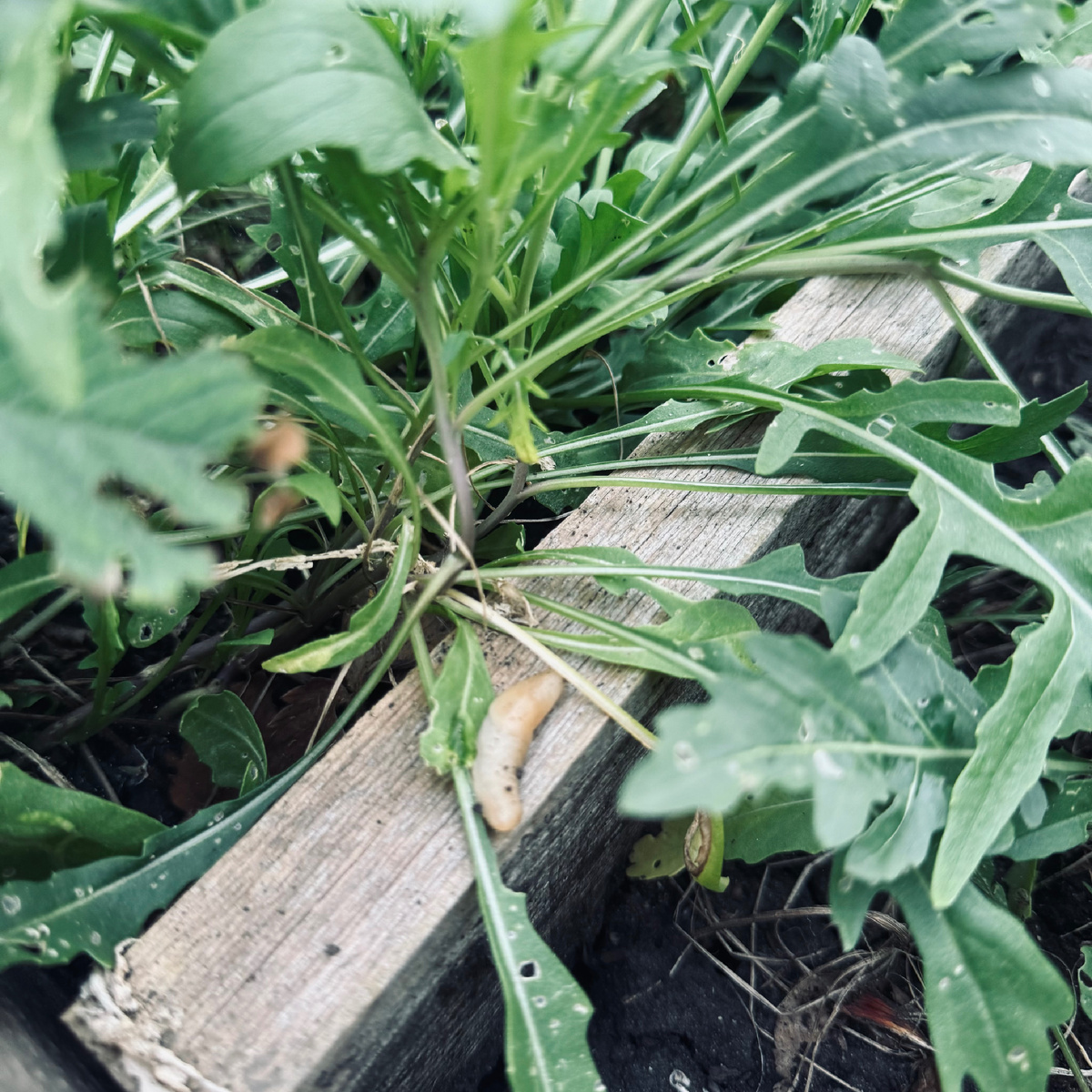
Hello, my fellow gardeners! It’s Antonina. Every summer, I find myself battling heavy clay soil, mosquitoes the size of small birds, and weather that either bakes my plants or drowns them. But today, I want to talk about the absolute slug invasion that hit my raised beds in June of 2025.
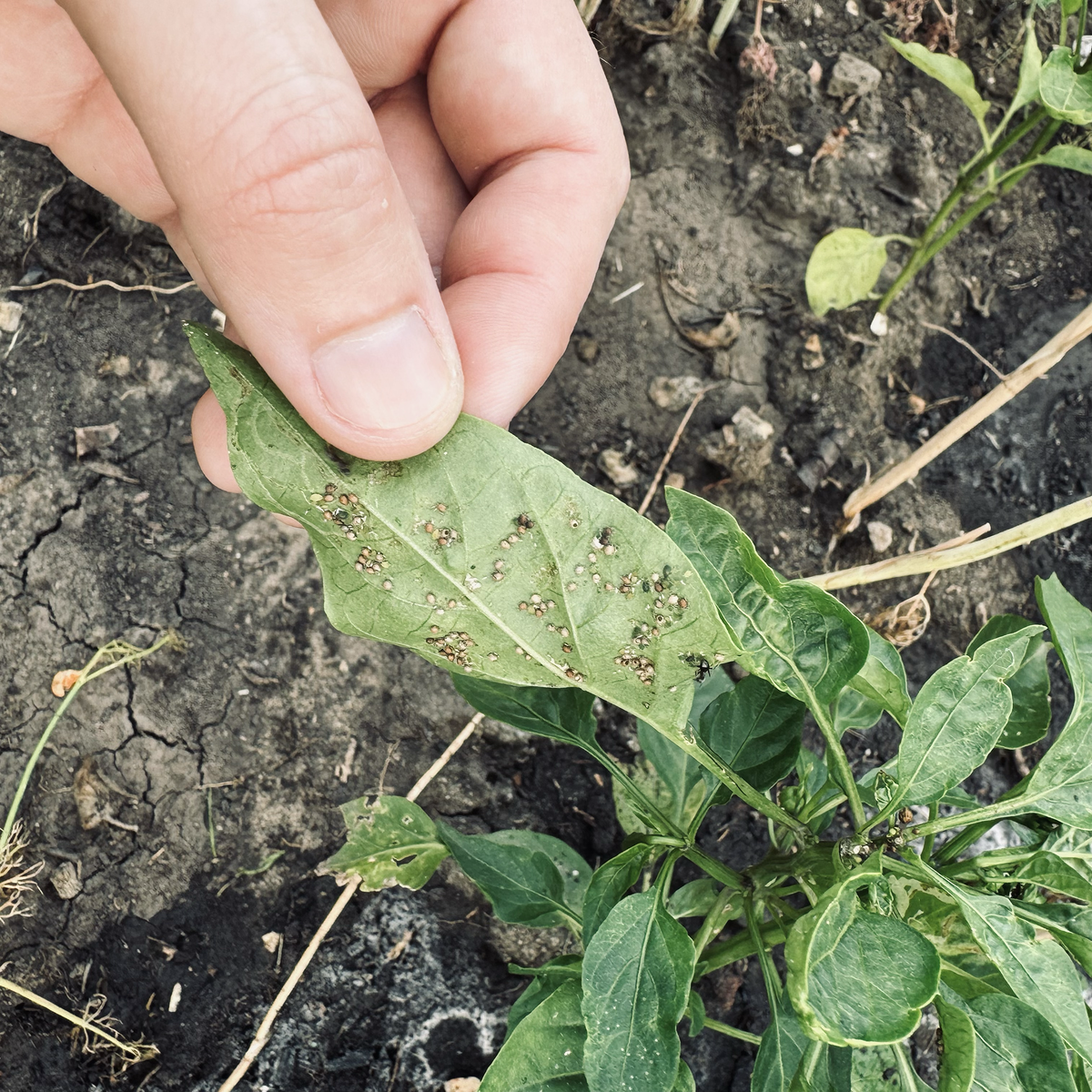
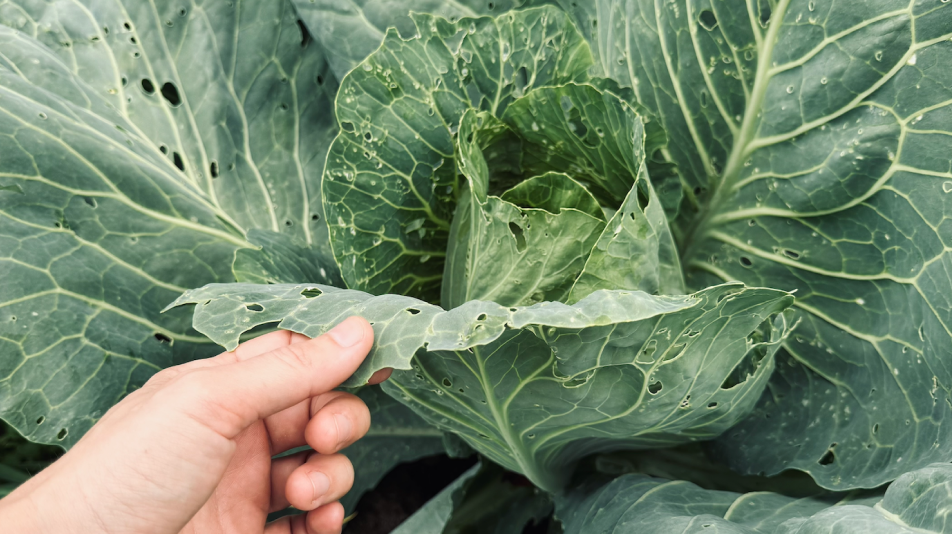
I might not have noticed it at first, but one evening after a heavy rainstorm, I went out to my strawberry patch with a flashlight and almost screamed. The soil was completely covered in slimy, crawling bodies. They were acting like they owned the place! My plants had taken serious damage—chewed edges, slime trails, and holes that looked like sniper fire. It felt like a targeted attack on my hard work.

Why Were the Slugs So Aggressive in 2025?
At first, I thought I was just incredibly unlucky, but then I saw neighbors complaining on our local community Facebook group: "The slugs are eating absolutely everything!"
It all came down to the weather. We had an incredibly warm and wet spring, raining every other day, followed by humid nights. On top of that, a few abandoned lots near our neighborhood were completely overgrown with tall weeds—creating the ultimate breeding ground. Slugs are nocturnal, and they absolutely love tomatoes, bell peppers, basil, and tender strawberry runners. During the day, they hide from the sun under old wooden boards, fallen leaves, and thick garden mulch.
Method 1: The Classic Beer Trap (A Massive Success!)
The very first thing I tried was a trick my grandmother used back in the 90s: the beer trap.
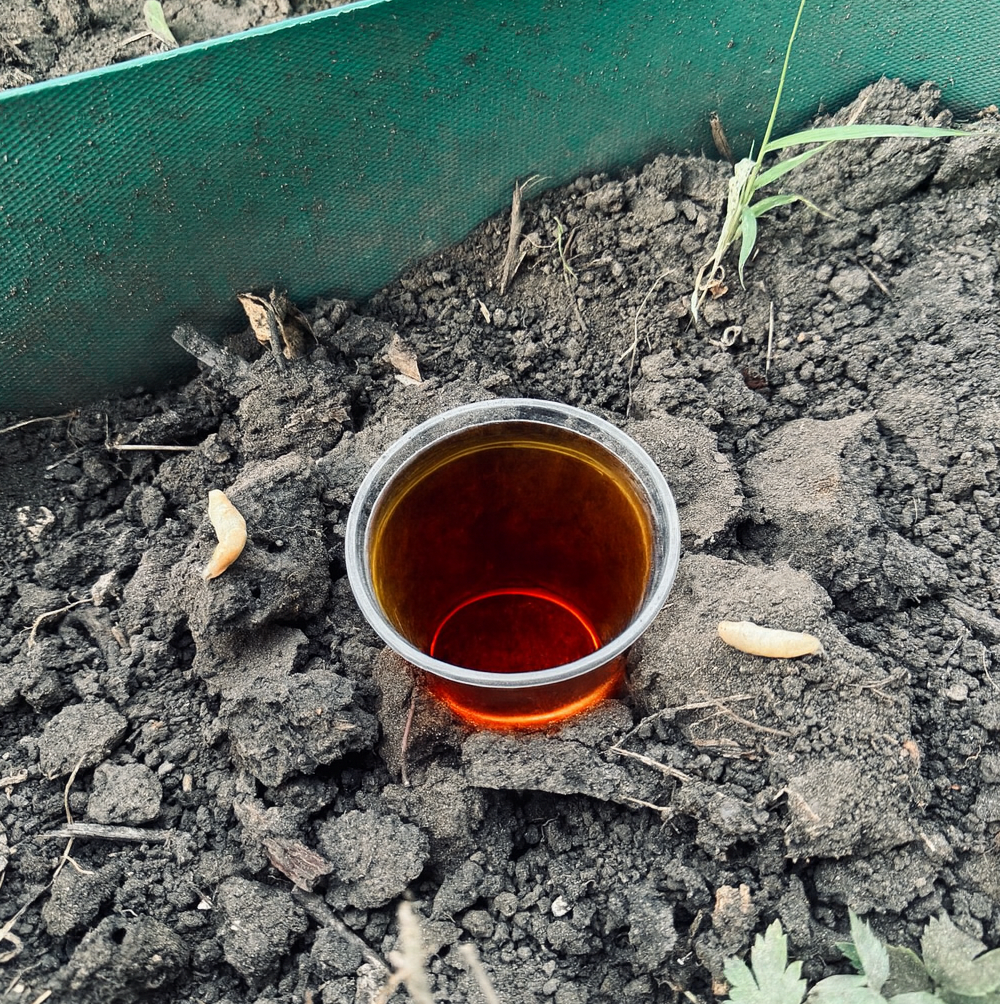
The Setup: I took a few cheap plastic party cups and cut them down to half their height. I buried them in the soil so the rim of the cup was completely flush with the ground.
The Bait: I filled them halfway with the cheapest, bottom-shelf canned beer I could find at the grocery store.
The Result: I left them overnight. The next morning, the scene was both victorious and highly gross—there were 5 to 10 drowned slugs in every single cup. Apparently, the smell of fermenting yeast is to slugs what the smell of a neighborhood BBQ is to us.
I placed these traps around the perimeter of my most vulnerable beds and refreshed the beer every two days. Within a week, the slug population plummeted.
Method 2: The Spicy Mustard Spray
I read about dry mustard powder on a permaculture gardening forum. Because slugs have incredibly soft, permeable bodies, the spicy oils in the mustard severely irritate their skin, acting as a natural forcefield.
The Recipe: I mixed 2 tablespoons of dry mustard powder (from the baking aisle) into 1 quart of water.
The Application: I poured the mixture into a spray bottle and went out in the early evening, heavily misting the soil around my beds and the undersides of the lowest leaves.
The Result: I repeated this every 2 to 3 days, especially right after a rainstorm washed it away. It worked beautifully! The slugs completely avoided the sprayed areas, and I loved that the spray was 100% natural and didn't harm the soil biology.
Method 3: The Wood Ash Barrier
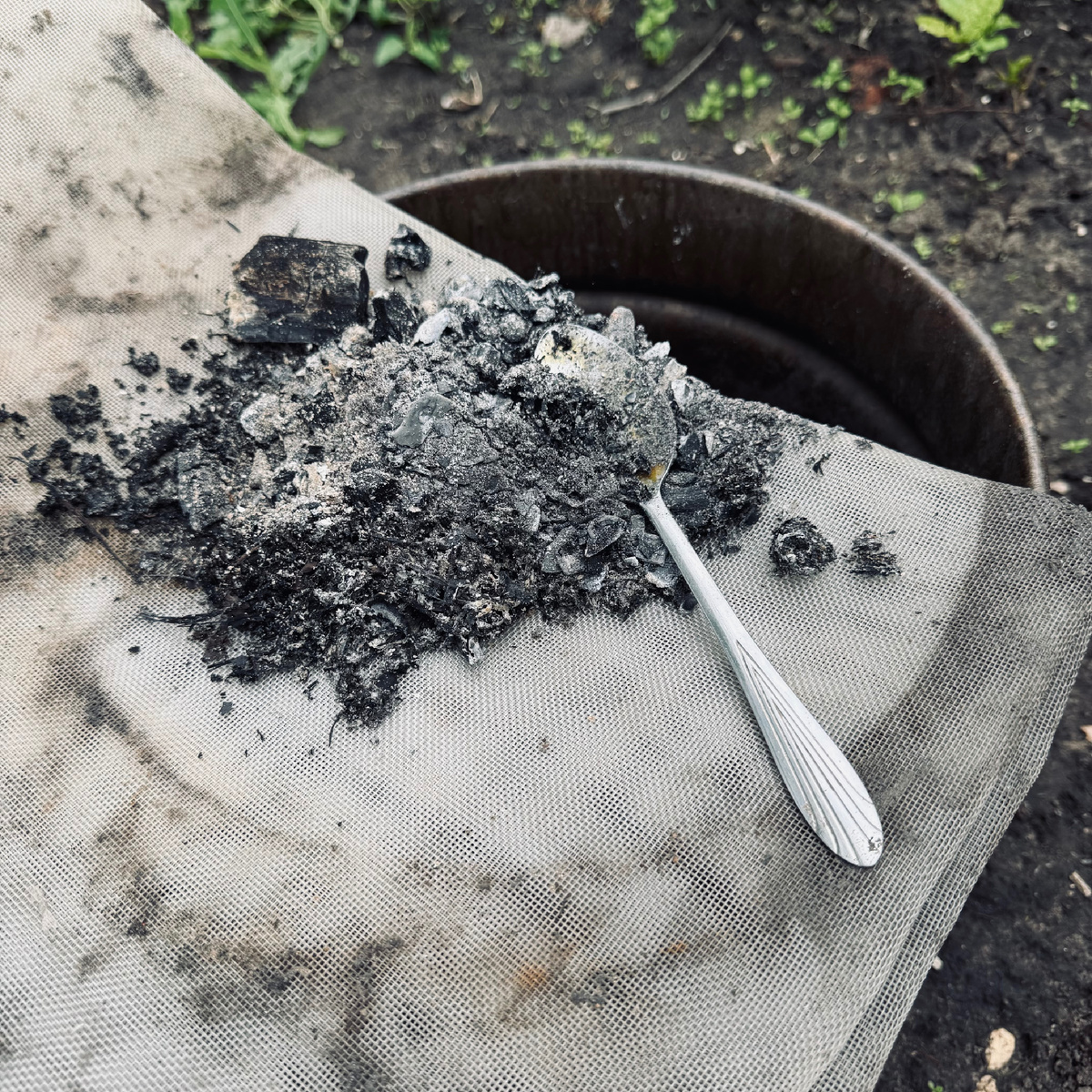
Finally, I brought in the heavy artillery: hardwood ash. This is a classic homesteader trick. Important note: You must use clean wood ash from a fireplace or fire pit. Never use ash from charcoal briquettes or treated lumber!
The Setup: I sifted the cold ash through an old piece of window screen to remove large chunks of charcoal.
The Application: I sprinkled a thick, continuous ring of fine ash completely around the base of my raised beds. (Sometimes I mix it with a little dry builder's sand for extra grit).
How it Works: Slugs will not cross wood ash. It immediately dries out their slime coating and sticks to their bodies. Plus, as a bonus, the ash eventually washes into the soil, providing a great boost of potassium for the plants! You just have to remember to reapply the ring after a heavy rain.
Final Thoughts: Layer Your Defenses
One organic method is good, but combining three is foolproof. By layering the beer traps, the mustard spray, and the wood ash barriers, I completely took back control of my garden. By the end of July, the slugs were virtually gone, and my tomatoes and peppers finally had the chance to take off and thrive.
The biggest lesson I learned? Do not wait. These pests multiply at a terrifying rate. The moment you see a slime trail on your patio or a chewed hole in your basil, deploy your traps immediately to protect your summer harvest!


 DIY & Decor
  Edible Garden
  Houseplants
  Lawn & Landscaping
  Outdoor Plants
  Tips & Tools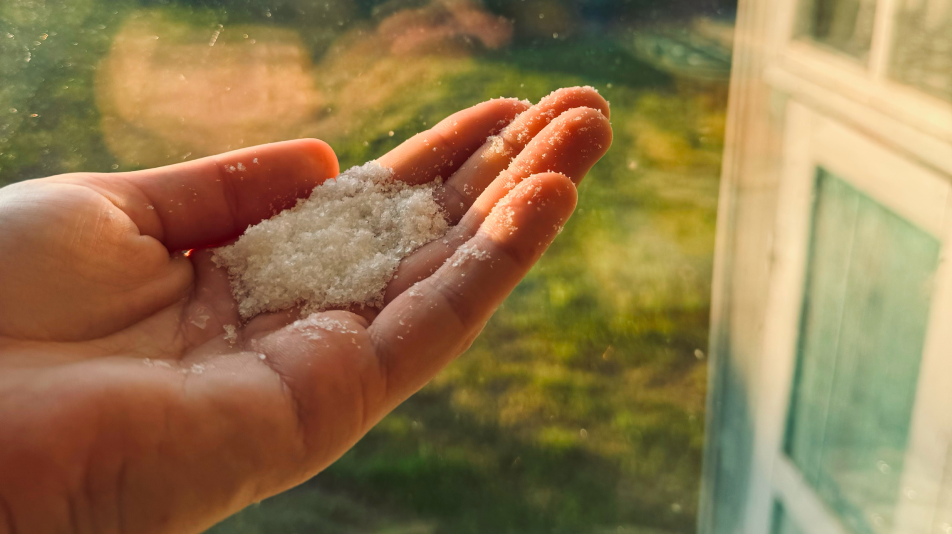
No comments yet.