
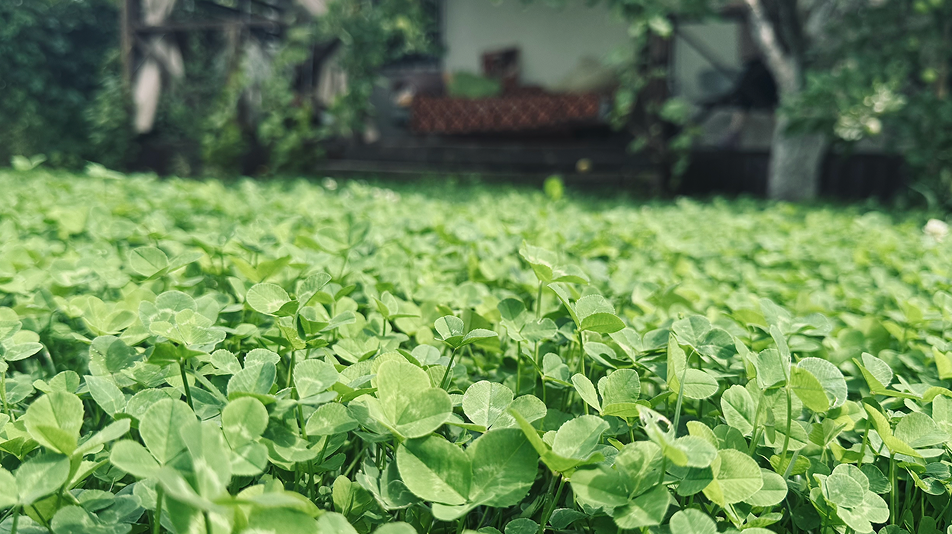
If you are like me, you probably spent most of last summer battling your lawn. You watered it, you fertilized it, and you mowed it constantly, only to watch it turn into a patchy, yellow desert by late July.
This spring, I decided I was completely done fighting with my traditional turf grass. I took a massive risk and overseeded my entire yard with Microclover. I can honestly say it has been the absolute best landscaping decision I have made in the last five years.
If you want a lush, green carpet without the back-breaking maintenance, here is exactly how and why I made the switch to a clover lawn.

The Problem With Traditional Turf
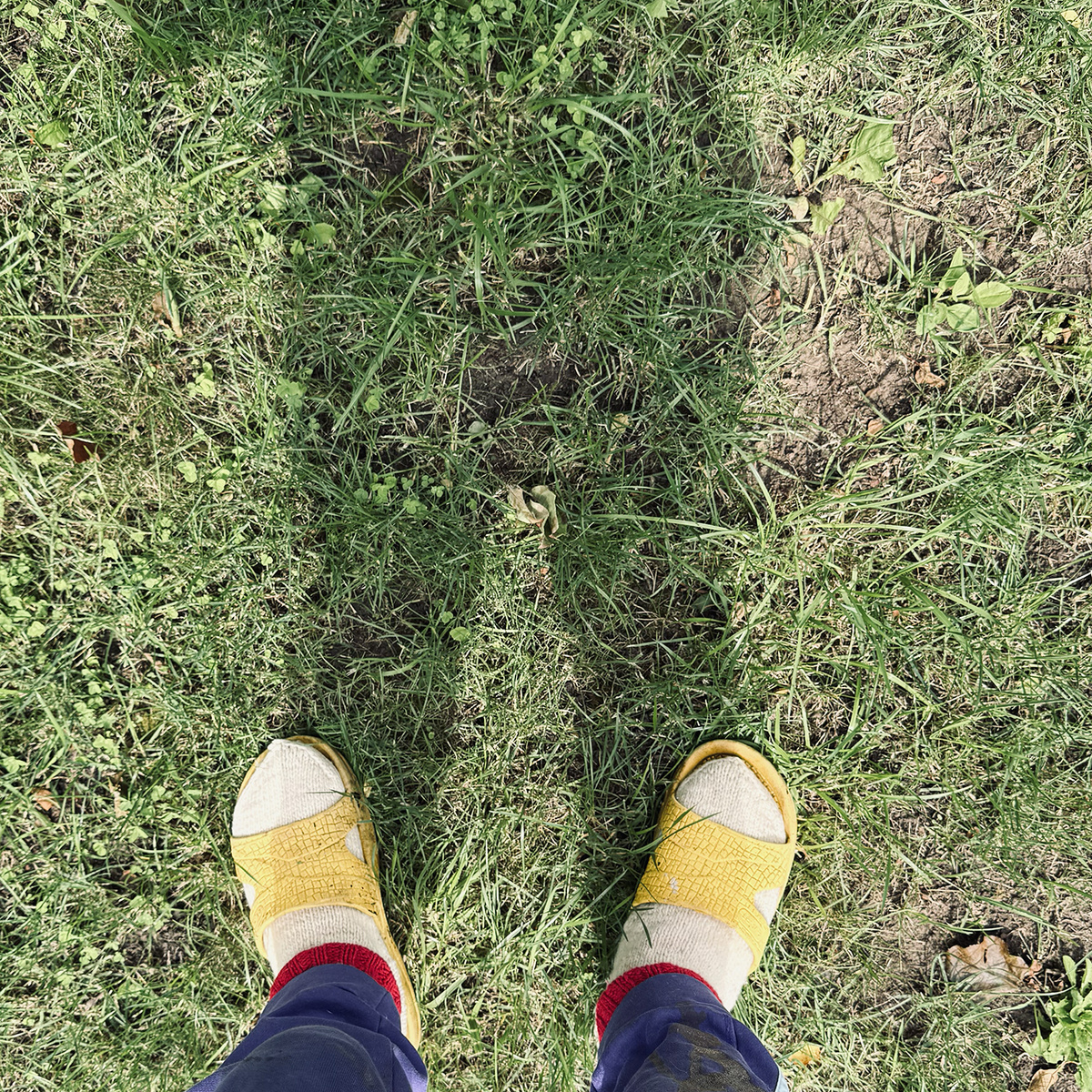
My lawn was a standard builder-grade mix of Kentucky bluegrass, fescue, and ryegrass. It looked great for exactly two months in the spring, and then the nightmare began:
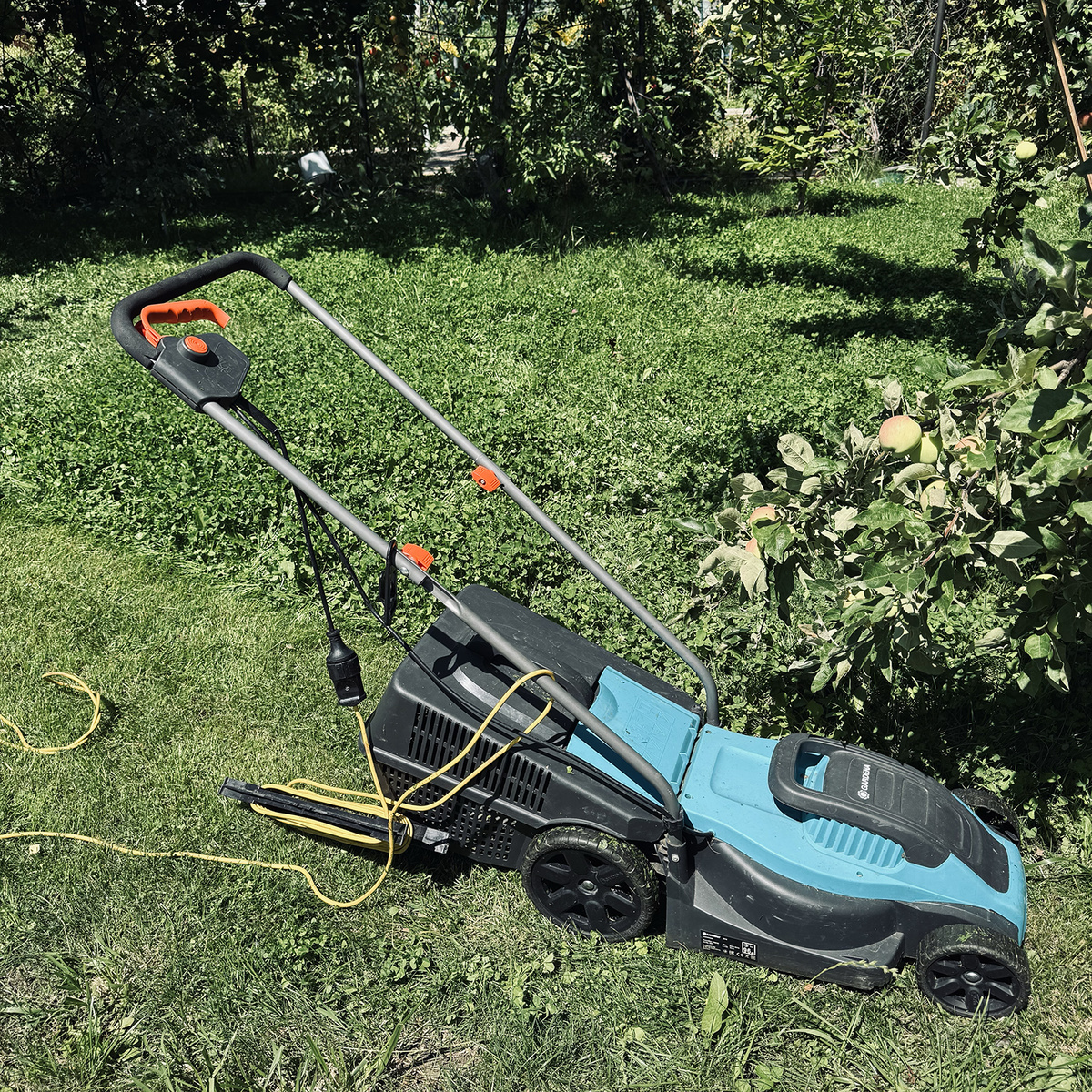
Endless Mowing: I was dragging the heavy mower out every 7 to 10 days just to keep it looking decent.
The Water Bill: To keep it green during the mid-summer heatwaves, I had to run the sprinklers daily.
The "Dog Spots": Between the heavy rain and my Beagle playing outside, the grass was full of bare, muddy patches and yellow nitrogen burns.
Expensive Upkeep: Chemical fertilizers only provided a temporary, two-week green-up before the grass looked hungry again.
After another August of looking at a burnt-out yard, I started researching eco-friendly alternatives.
Enter Microclover (The Ultimate "Lazy" Lawn)
To be clear, this is not the tall, weedy standard Dutch White Clover that takes over neglected fields. Microclover (often sold as Trifolium repens var. pipolina) is a specially bred dwarf variety with tiny leaves and a very low growth habit.
Here is why it completely won me over:
No Mowing Required: It naturally maxes out at about 2 to 4 inches tall. I have only mowed my yard twice this entire season.
Drought-Proof: Its deep root system keeps it vibrant and green even during the brutal July heat, with almost zero supplemental watering.
Self-Fertilizing: Clover is a legume. It literally pulls nitrogen out of the air and feeds it directly into the soil. You never have to buy synthetic fertilizer again.
A Velvet Carpet: It grows incredibly dense, choking out common weeds (like dandelions) and filling in bare patches seamlessly.
How I Overseeded (No Tilling Required!)
The best part about this project is that you do not need to rip up your existing grass. You can just overseed right on top of it. I did this in early May once the threat of frost had passed.
No Prep Needed: I didn't remove the existing turf or till the soil. I simply mowed the old grass as short as possible.
The Seeding: I broadcast the microclover seeds directly over the lawn at a rate of about 2 lbs per 1,000 square feet.
The Watering: I gave it a good soak with the hose on a gentle mist setting.
Within a week, tiny green sprouts appeared. By week two, I had a plush, green carpet. As the summer went on, the clover naturally outcompeted the struggling grass, creating a incredibly soft, uniform lawn.
Microclover FAQ & Common Myths
When I first shared my yard transformation online, my inbox was flooded with questions. Here is the truth:
Does it flower and attract a swarm of bees? Microclover produces significantly fewer flowers than standard clover. I only have a few tiny white blooms in one corner of the yard. It attracts a few pollinators, but nothing that makes walking barefoot dangerous.
Can my dogs run on it? Absolutely. My Beagle runs laps on it daily. It handles heavy foot traffic beautifully and doesn't get yellow nitrogen burns from dog urine like standard grass does.
Does it feel weird to walk on? It feels like walking on a cool, plush, green sponge. It is incredibly soft.

Final Thoughts
If you are tired of being a slave to your lawnmower and sprinkler system, do yourself a favor and look into microclover.
I traded my high-maintenance, frustrating grass for a living, self-feeding, drought-tolerant carpet. It saves me money, it saves me hours of weekend chores, and it stays brilliantly green from spring to fall.



 DIY & Decor
  Edible Garden
  Houseplants
  Lawn & Landscaping
  Outdoor Plants
  Tips & Tools

No comments yet.