

If you have an older summer cabin, a garden shed, or a closed-in patio, you probably know the exact smell I am talking about. It is that heavy, damp, "old basement" odor that hits you the moment you open the door.
When I first started fixing up my property, I thought a fresh coat of paint and some breezy white curtains would solve the problem. I was wrong. The smell of dampness lingered. Desperate for a cheap fix, I turned to the internet and tried every DIY moisture-absorbing hack I could find.
Spoiler alert: most of them failed miserably. Here is the honest truth about the viral internet hacks, and the 3-step, permanent solution that actually cured my damp cabin.

Hack 1: Bowls of Salt (The Sloppy Failure)
Countless forums suggested leaving small bowls or fabric bags of rock salt in the corners of the room to pull moisture from the air.
The Reality: While salt does absorb moisture (it's a natural desiccant), it is not a magic sponge. Within a week, the salt reached its maximum capacity and turned into a gross, dirty puddle of saltwater on my floor. It didn't sanitize the air, the smell remained, and the salty puddles actually started attracting bugs.
Hack 2: Newspapers Under the Rug (The Mold Trap)
This is an old-school trick. The theory is that layering newspapers under your area rugs will absorb rising moisture from the floorboards.
The Reality: This might work for keeping shoes dry in a closet, but putting paper on a damp floor is a recipe for disaster. Paper is essentially food for mold. Within a few days, the newspapers absorbed the dampness, turned into a wet, brown mush, and made the musty smell ten times worse. I had to scrape wet papier-mâché out of the corners of my room.
Hack 3: Activated Charcoal (Too Weak for a Room)
Charcoal is used in modern air purifiers, so placing jars of activated charcoal pills under the bed seemed like a smart, natural deodorizer.
The Reality: It works, but only on a microscopic scale. It slightly muffled the smell while the windows were open, but the moment I closed up the cabin for the night, the heavy dampness returned. Charcoal loses its absorbing power quickly and needs to be constantly "recharged" in the sun. It is far too high-maintenance for a weekend garden cabin.
The Real Solution: The 3-Part "Dry Cabin" Strategy
I finally gave up on the viral hacks and tackled the actual root of the problem. If you want to banish dampness for good, you need to fix the airflow and the foundation.
1. Fix the Ventilation (Let the House Breathe) A house without ventilation is like a plastic bag—it traps moisture inside.
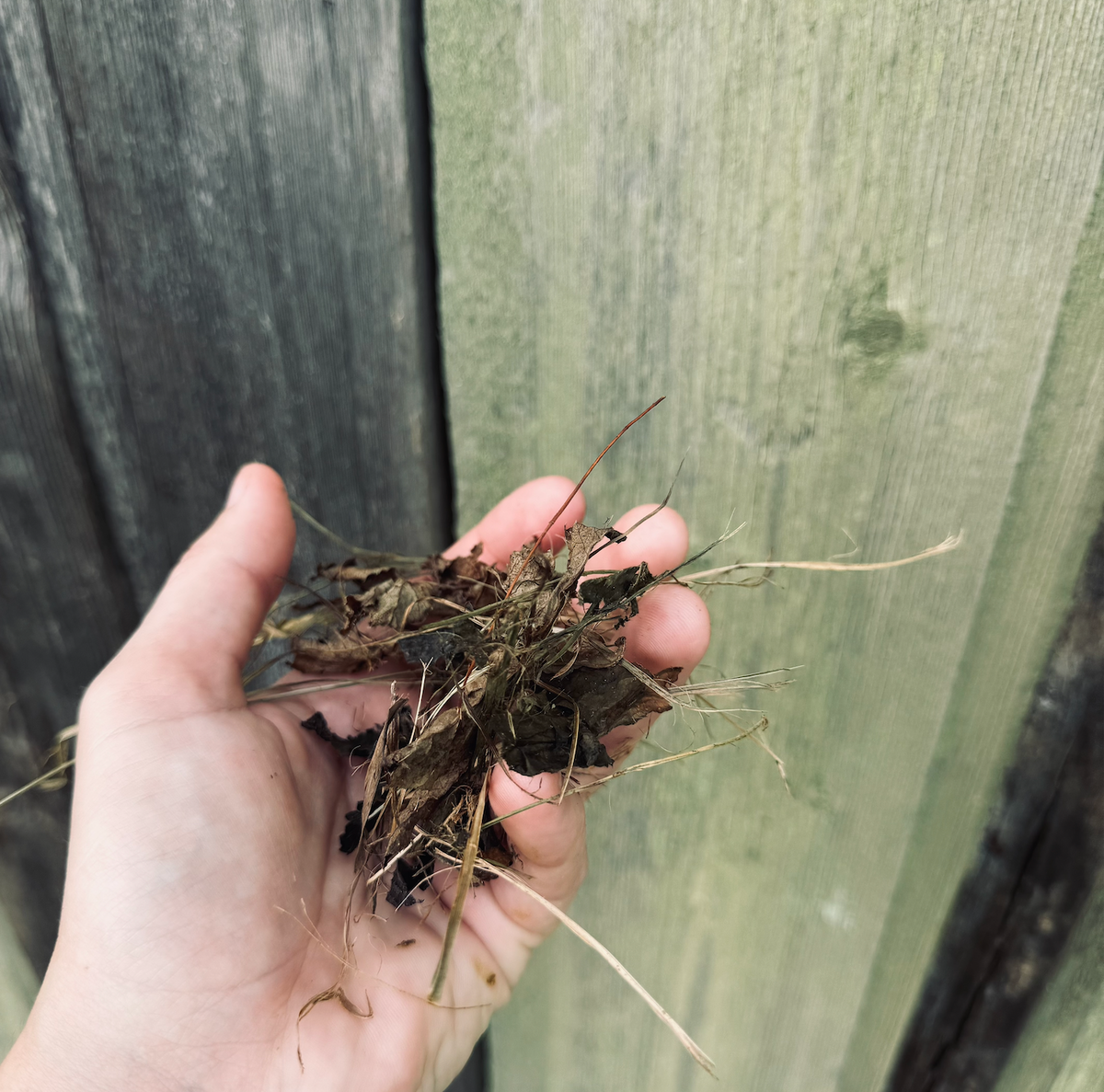
I checked the existing wall vents and found them completely clogged with years of dead leaves, spiderwebs, and dust. Cleaning them out immediately improved the airflow.
I also installed a basic passive air vent (fresh air intake valve) from the local hardware store. It cost about the same as a decent lunch out, but it constantly pulls fresh air in while pushing stale, humid air out.
2. Invest in a Real Dehumidifier I stopped messing with salt and bought a compact, portable electric dehumidifier for about $80. It is an absolute game-changer. It quietly runs in the corner and pulls a full pint of water out of the air every single day. I just dump the water tank in the morning, and the room stays bone-dry.
3. Insulate and Seal the Crawlspace My cabin sits on a small brick foundation, and the cold, damp earth underneath was chilling the floorboards and pulling moisture upward. I crawled underneath the house, sealed the noticeable gaps, and installed mineral wool insulation (fiberglass batts) between the floor joists. It completely stopped the "cold draft" feeling on the floor and blocked the rising ground moisture.
Final Thoughts
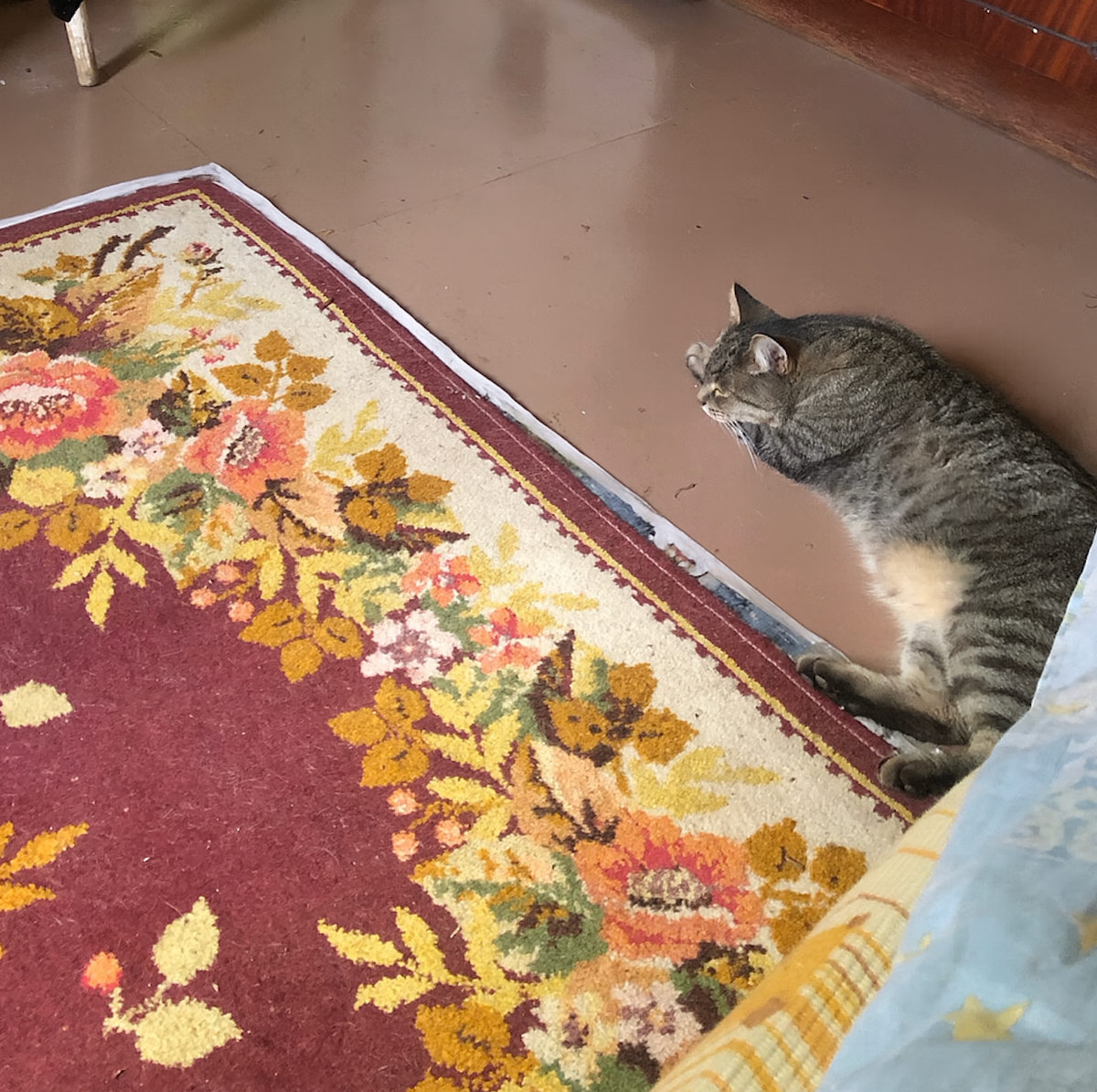
A month later, the difference is night and day. My clothes no longer smell musty, the bedding feels crisp, and my cat finally sleeps on the floor rug instead of hiding on top of the wardrobe to escape the damp chill.
Don't waste your time with salt bowls and newspapers. Banning the dampness requires a structural approach: stop the moisture at the foundation, move the air, and actively dehumidify.
Have you ever battled a musty room or a damp shed? What structural fixes worked for you? Share your tips in the comments below!



 DIY & Decor
  Edible Garden
  Houseplants
  Lawn & Landscaping
  Outdoor Plants
  Tips & Tools




No comments yet.