
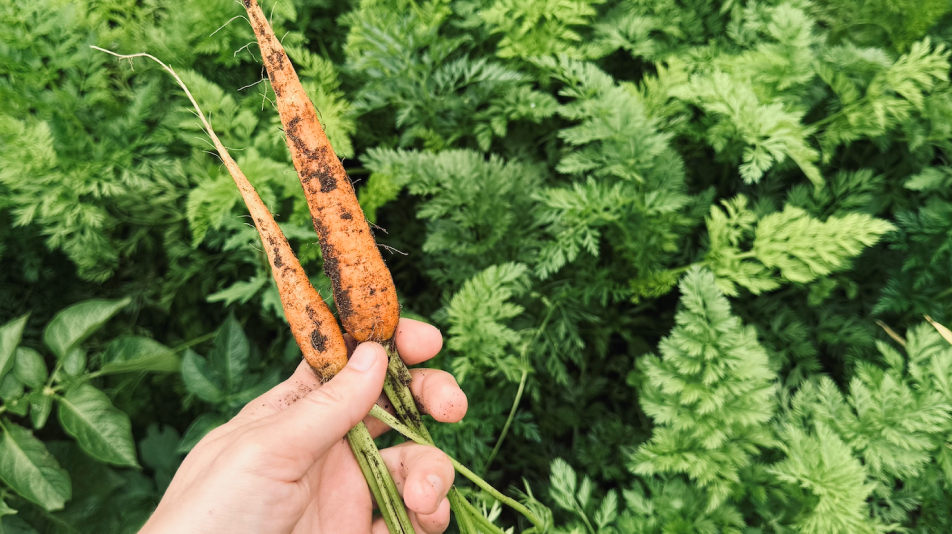
Growing a massive, beautiful crop of carrots is incredibly rewarding, but figuring out how to store them is a completely different challenge. If you live in an apartment or a house without a traditional root cellar, your options seem limited.

If you put them in the fridge, they take up all your shelf space. If you leave them in plastic grocery bags, they trap moisture and turn into black, moldy mush. If you leave them out, they shrivel up and turn rubbery in a matter of weeks.
Growing up, my grandparents kept wooden crates full of carrots in their cellar, and they stayed crisp and sweet all the way until spring. I don't have a root cellar, but I successfully adapted their old-school, zero-electricity method for my enclosed apartment balcony (you can also use an unheated sunroom or an attached garage). Here is exactly how to do it.
Why Do Carrots Spoil So Quickly?
To successfully store carrots, you have to understand what makes them go bad:
Too much heat or dry air: Causes them to rapidly lose moisture and shrivel.
Plastic bags: Traps natural condensation, creating a humid breeding ground for mold and rot.
Temperature swings: Freezing and thawing destroys the cellular structure of the root.
To keep carrots crisp, they need a consistently cool, dark, and slightly humid environment—ideally between 34°F and 41°F (1°C to 5°C).
The "Urban Sandbox" Storage Method
Here is how I modified my grandparents' root cellar method for a modern enclosed balcony:
1. Prep the Carrots (Do Not Wash Them!) Never wash your carrots before storing them; the moisture will cause instant rot. Simply brush off the loose dirt. Cut off the green leafy tops, leaving just about 1/2 inch of the stem. Let the carrots "cure" (dry out) in a shady, well-ventilated spot for 24 to 48 hours to toughen up the skins.
2. Prepare the Crates Grab a few ventilated plastic crates (you can usually ask for empty fruit crates at your local grocery store). Line the bottom with a few layers of plain, non-glossy newspaper to keep the sand from falling out.
3. The Sand Hack You will need perfectly dry sand. I buy standard play sand or builder's sand from the hardware store and bake it in the oven on baking sheets for about 30 minutes. This completely dries it out and kills any lingering bacteria or insect eggs. (Note: If you don't want to use sand, a thick layer of dry onion skins works incredibly well too!)
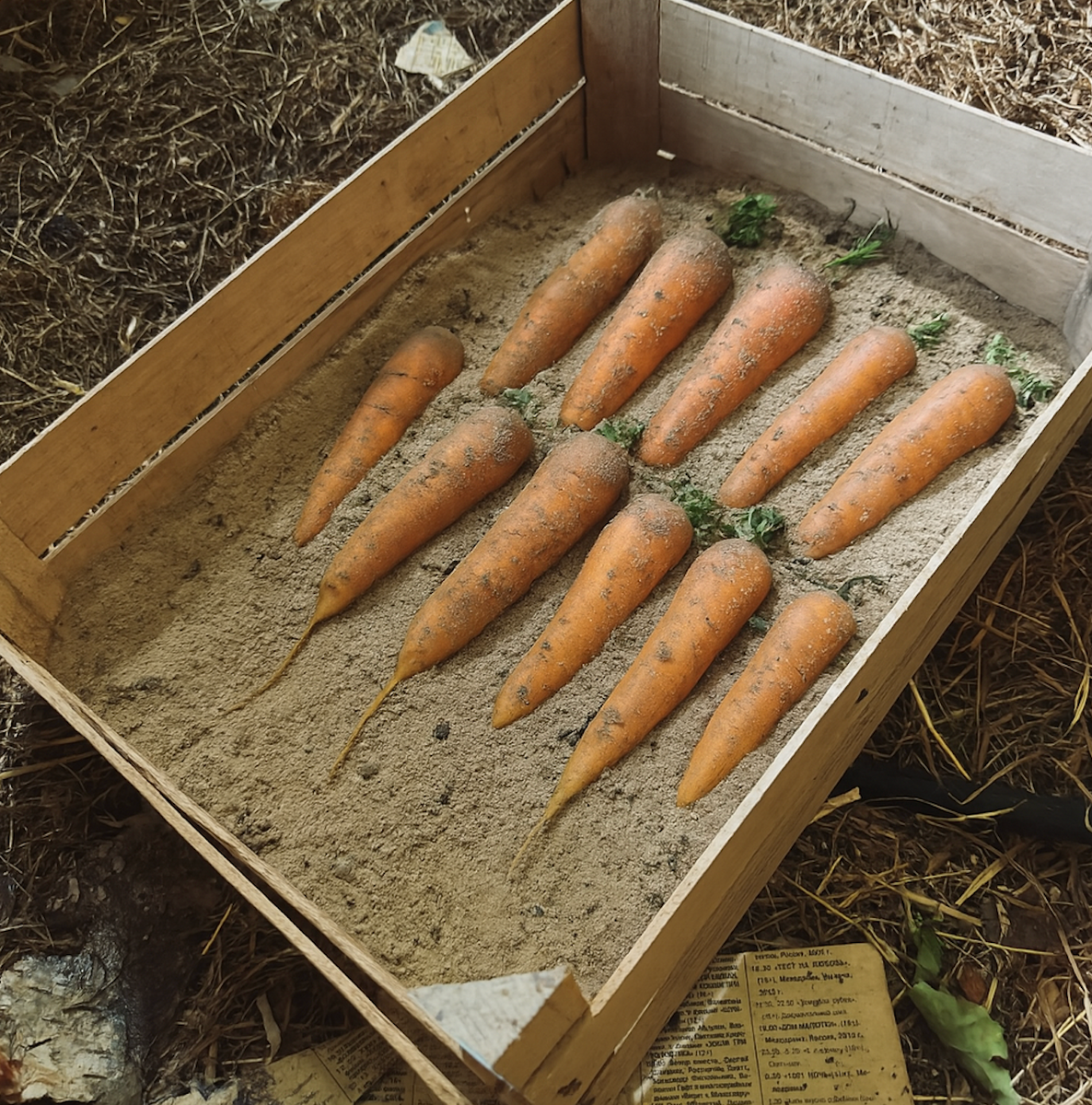
4. Layering Pour a thin layer of dry sand into the bottom of the crate. Lay your carrots flat so they are not touching each other. Cover them completely with another layer of sand, and repeat until the crate is full. The sand acts as a natural thermos—it regulates humidity, prevents rot from spreading between carrots, and insulates against temperature swings.
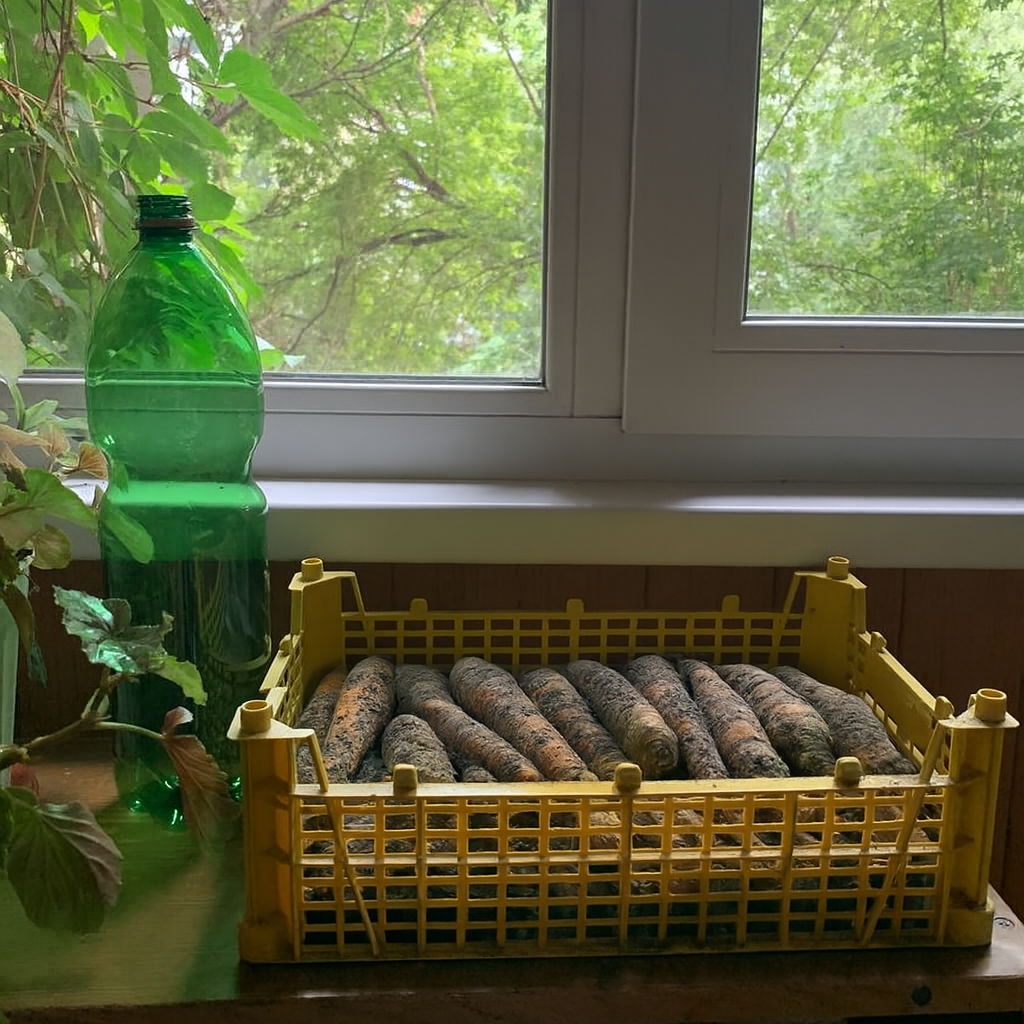
5. Balcony Placement Cover the top of the crate with a piece of breathable cheesecloth. Place the crates in the darkest corner of your enclosed balcony, away from direct sunlight.
My Tips for Temperature Control
Storing vegetables on a balcony means you have to watch the weather forecast.
I keep a basic digital thermometer next to the crates.
The Water Jug Trick: I keep a few large gallon jugs of water sitting next to the crates. The water acts as a "thermal mass," absorbing heat during the day and releasing it at night, helping to stabilize the temperature.
Freeze Warning: If a hard freeze is coming, I wrap the crates in an old heavy blanket or surround them with scrap foam board insulation. If temperatures drop dangerously low, I simply bring the crates into the coolest part of my hallway for the night.
3 Mistakes to Avoid
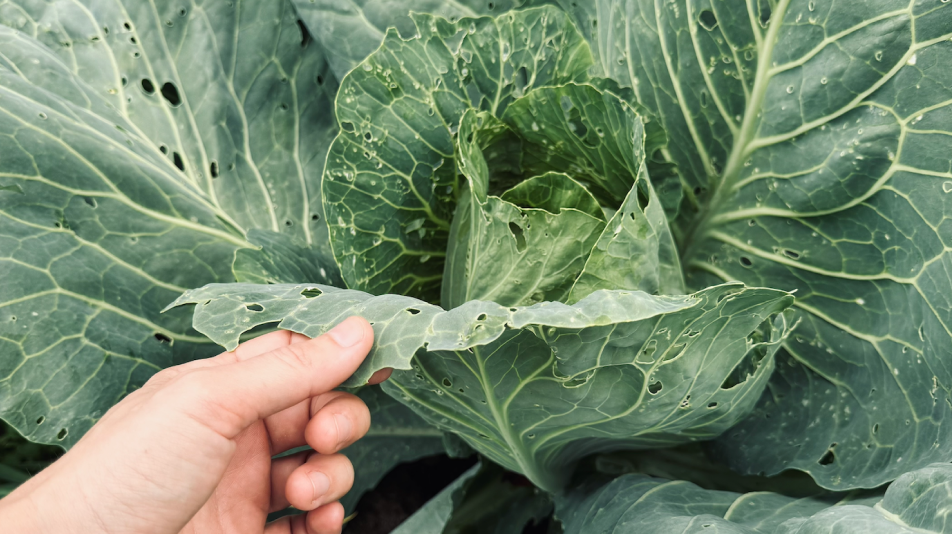
The Apple & Cabbage Rule: Never store carrots right next to apples, pears, or cabbages. These fruits and veggies release ethylene gas as they age, which will cause your carrots to turn incredibly bitter and spoil faster.
Pest Control: Toss a few sprigs of dried mint or lavender into the sand. It smells great and naturally repels any curious insects.
Choose the Right Variety: Thin, delicate carrots don't store well. Stick to thick, dense, late-season varieties like Chantenay, Nantes, or Autumn King for long-term winter storage.
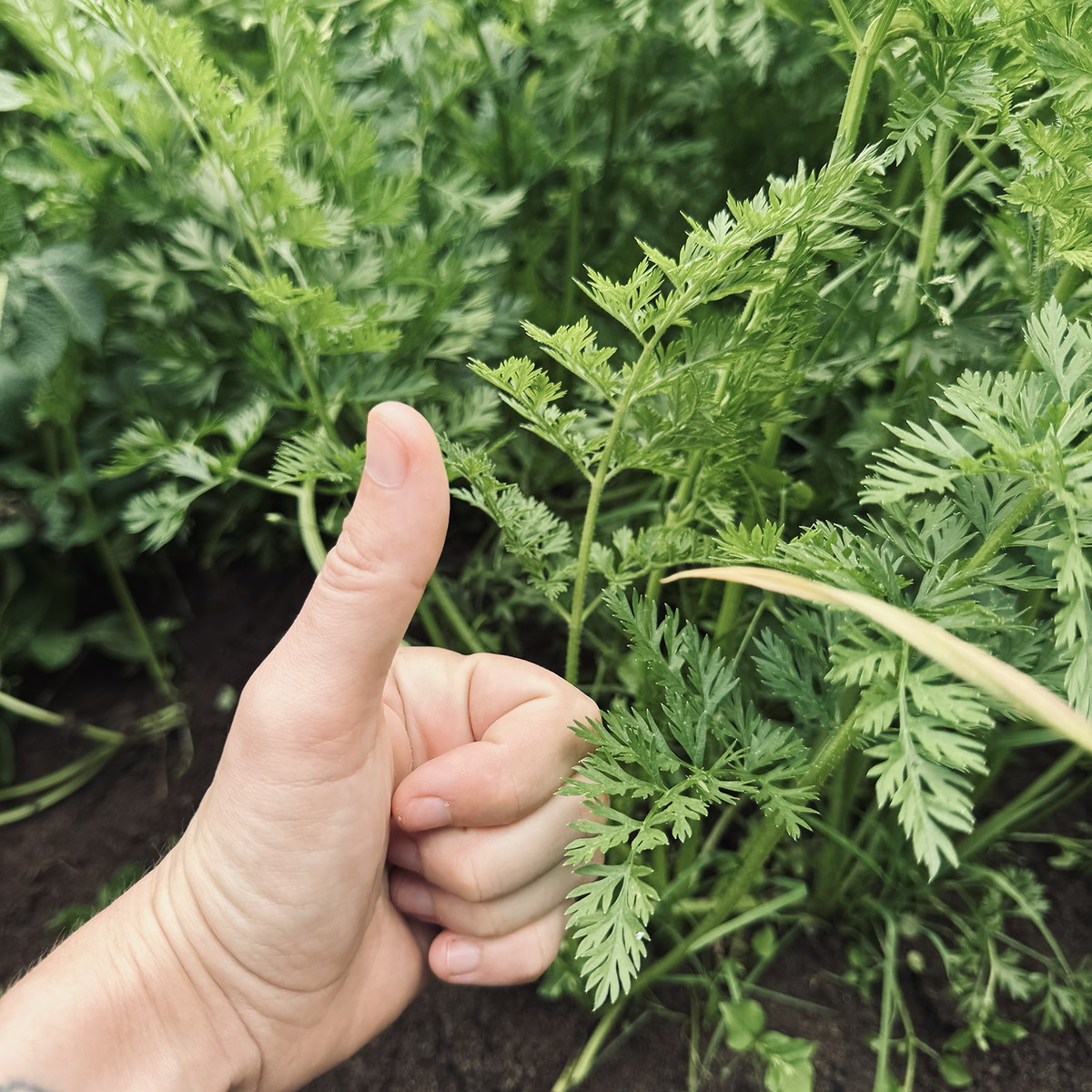
You don't need a massive homestead or a dark basement to eat homegrown food in the middle of winter. With a few plastic crates and a bag of sand, your enclosed porch can become the perfect urban root cellar!

 DIY & Decor
  Edible Garden
  Houseplants
  Lawn & Landscaping
  Outdoor Plants
  Tips & Tools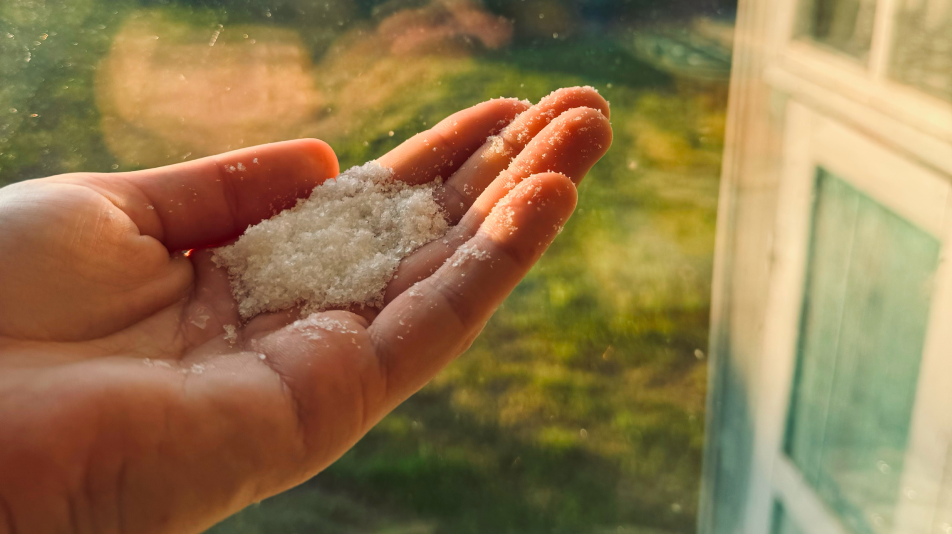
No comments yet.