
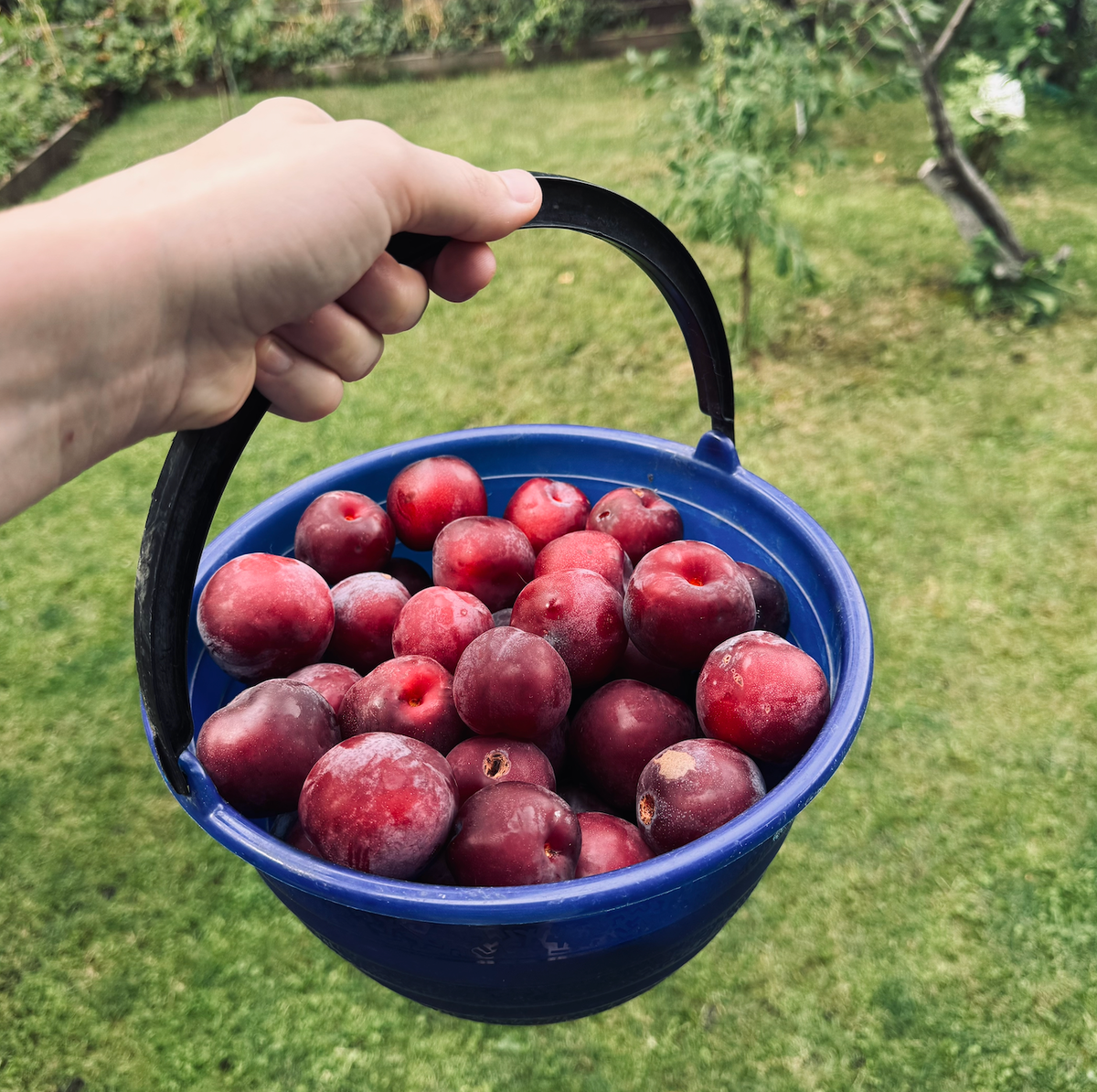
Hello, my fellow garden lovers! Today we are talking about a rare, almost magical fruit tree hybrid with an incredible flavor profile. If you have never heard of a Peacotum before, trust me, you are not alone. I didn't even know something like this existed until a few years ago!
In this article, I want to share how I stumbled upon this bizarre tree, the hurdles of planting it, how to care for it, and most importantly—what that very first harvest tasted like. I am not exaggerating when I say that the first time I took a bite of this fruit, my eyes went as wide as my dog Stepan's when he spots a squirrel in the garden.

What On Earth is a Peacotum?
A Peacotum is exactly what it sounds like: a complex, three-way hybrid of a peach, an apricot, and a plum. (Plant geneticists clearly have a lot of fun at their jobs!) The result is an absolute masterpiece of an orchard fruit. It borrows the tartness and shape of a plum, the sweet aromatics of an apricot, and the juicy texture and slight fuzz of a peach. It is a true fruity puzzle.
I first saw a bare-root sapling by accident at a local independent nursery. The old-timer running the fruit tree section told me, "You won't regret this one. It grows like a weed and the fruit is unbelievable." I bought a single sapling entirely out of curiosity, especially since it was sitting in the $15 end-of-season clearance bin.
Planting: My First Experience
I planted it in May, right after our last spring frost date had safely passed. I chose a spot with full sun and well-draining, loamy soil. The golden rule for these stone fruit hybrids is that they absolutely hate heavy clay and standing water.
I dug a standard 2 by 2-foot hole, amending the backfill dirt with a hearty scoop of aged compost, a handful of wood ash, and a sprinkle of organic bone meal (to encourage root growth).
One critical thing to note: the roots on these hybrids can be quite long and brittle, much like a standard plum tree, so you have to spread them out very gently by hand over a small mound of dirt in the center of the planting hole. After burying the roots, I gave it a deep soaking and mulched the base heavily with clean straw.
Care: A Little Peach, A Little Apricot
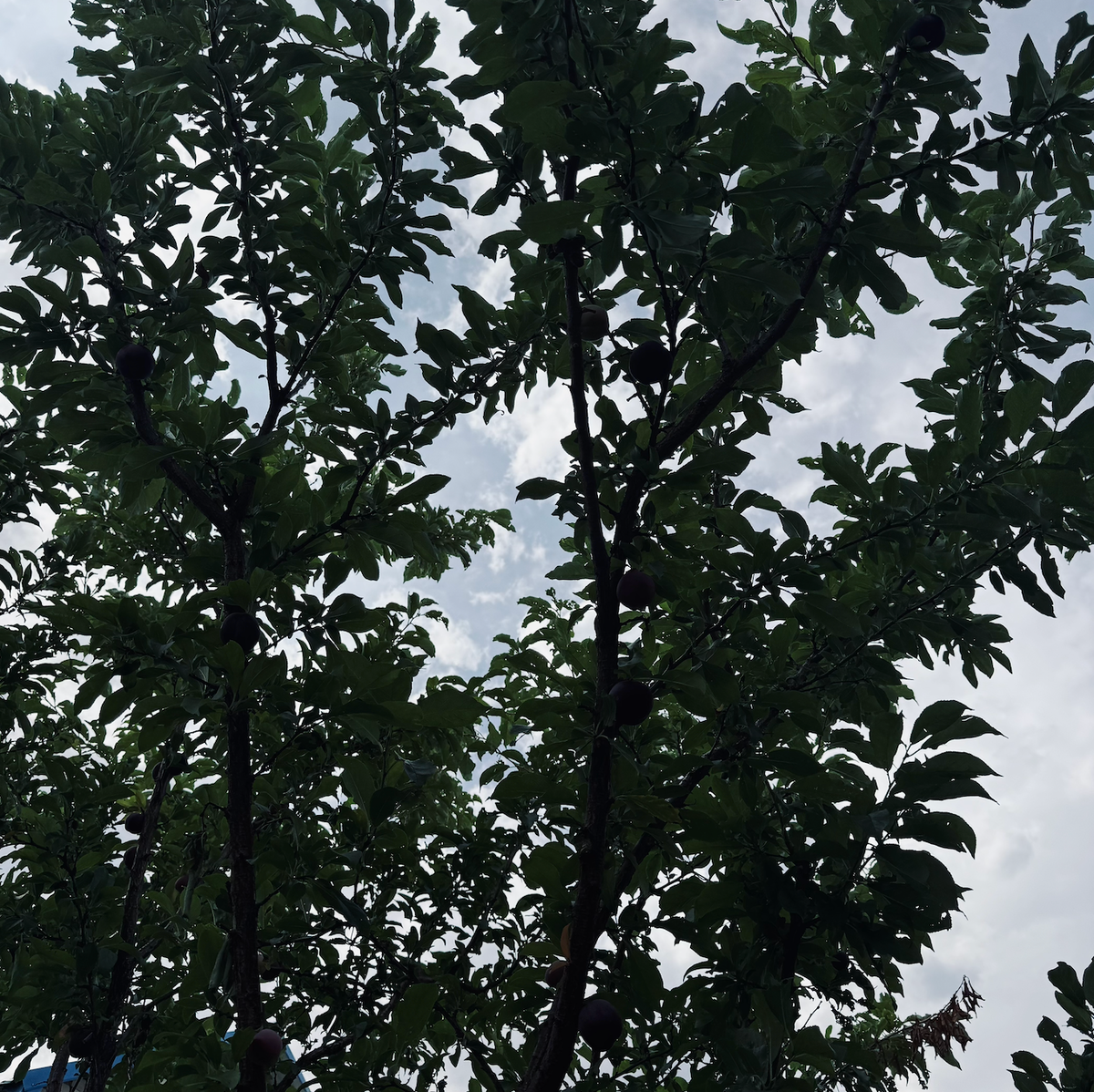
The care routine was straightforward but required attention. This hybrid loves the heat, but it doesn't tolerate dry, scorching winds. During the peak of summer, I deep-watered it twice a week. In the late fall, I dressed the base with a standard 10-10-10 fruit tree fertilizer to prep it for winter dormancy.
Pruning is non-negotiable. This tree grows quickly but incredibly chaotically—like an awkward teenager going through a growth spurt. Every late winter, I prune back about a third of the new growth to maintain an open, vase-like shape. This prevents the canopy from becoming a tangled mess and makes harvesting so much easier.
The most important detail: Pollinators! A Peacotum is not self-fertile. You absolutely must have a cross-pollinator nearby. Luckily, I already had a Japanese plum (Santa Rosa) and a standard apricot tree in the yard, which did the trick perfectly. Without a compatible blooming partner nearby, you will get flowers, but zero fruit.
The First Harvest: Joy, Tears, and Jam
In its third year, the tree finally bloomed. The flowers were large, white and pink, and smelled absolutely incredible—like a sweet, vintage floral perfume.
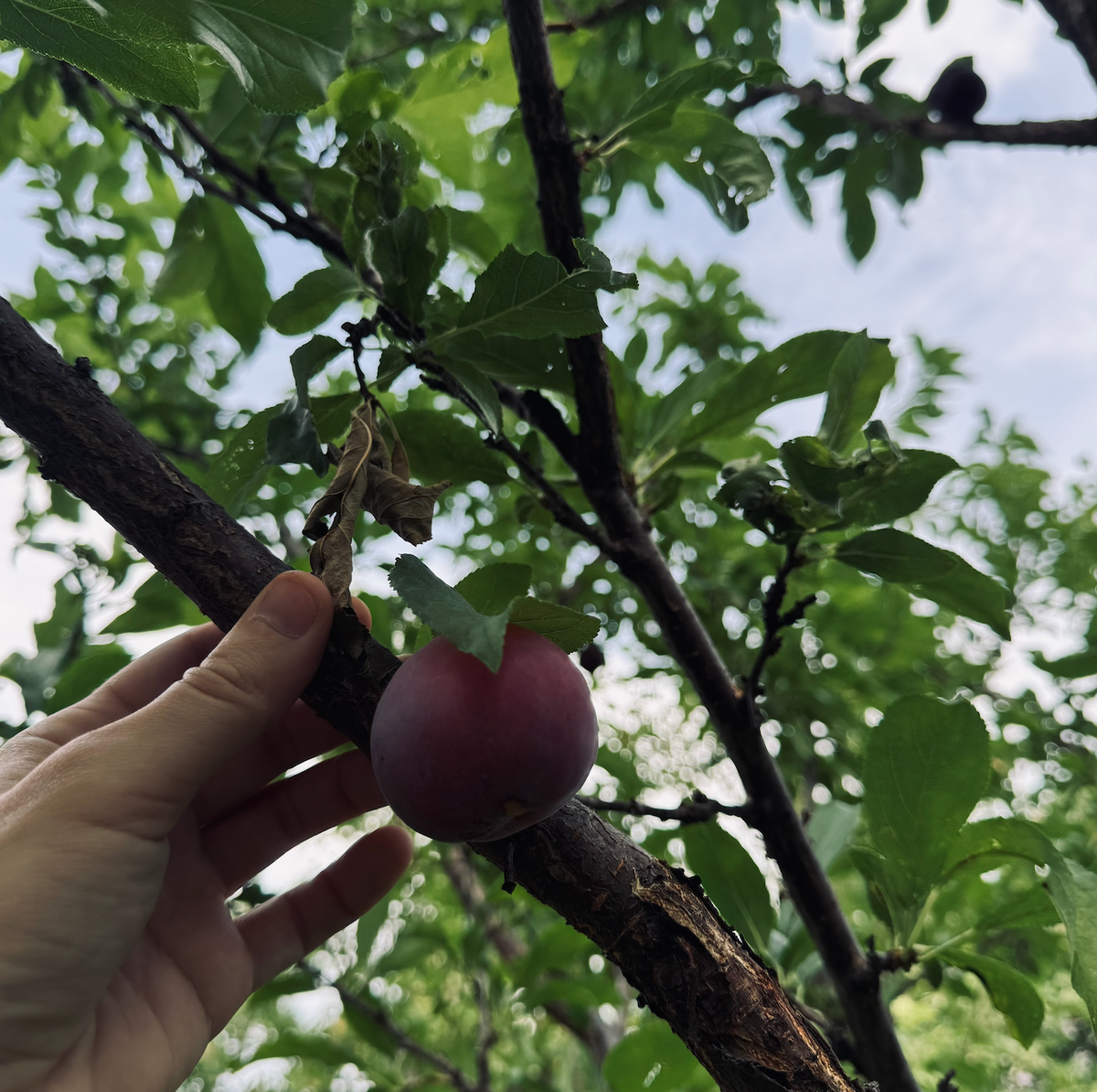
I only got a couple dozen fruits that first year, but they were phenomenal. They were sweet with a slight, balancing tartness and a honey-like flesh. The skin is soft, lacking the bitter bite of a traditional plum.
I took my tiny harvest and cooked it down into a thick, amber-colored jam with chunky fruit pieces. It only yielded two half-pint mason jars, but I shared them with my neighbors, and everyone was immediately begging for the recipe.
My Final Verdict
If you love experimenting in the garden and want to grow something that will absolutely blow your friends' minds, this 3-way hybrid will not disappoint you. The maintenance is no harder than caring for a standard plum tree, and it thrives beautifully in USDA Hardiness Zones 5 through 8.
Just remember the golden rules:
Plant in full sun with excellent drainage.
You must plant a compatible pollinator (like an apricot or Japanese plum) nearby.
Prune aggressively every late winter to shape the canopy.
Protect the early spring blossoms from unexpected late frosts.

 DIY & Decor
  Edible Garden
  Houseplants
  Lawn & Landscaping
  Outdoor Plants
  Tips & Tools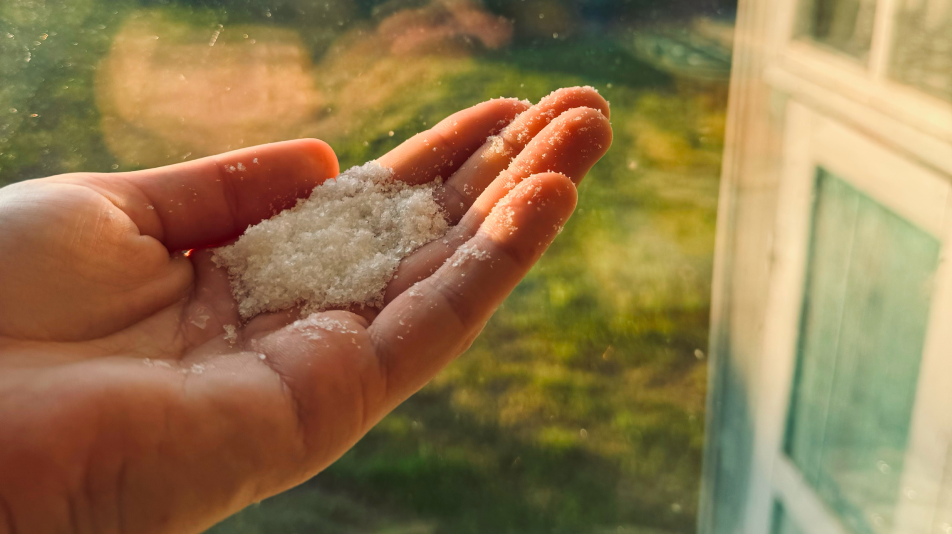

No comments yet.