
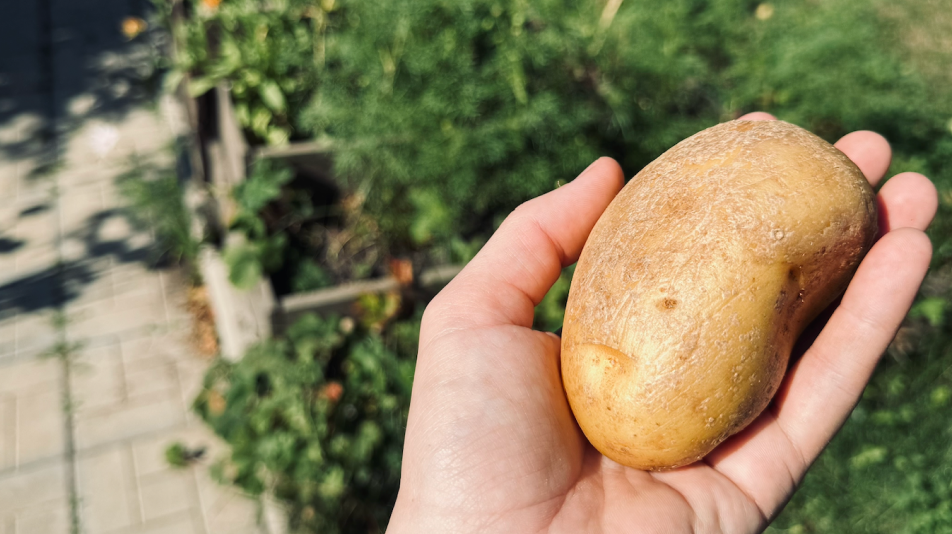
Summer is the hardest time to store a fresh root vegetable harvest. Your fridge is already packed, your basement or root cellar is too warm, and plastic storage bins just seem to breed mold, sprouts, and pests. It is incredibly frustrating to put months of love and hard work into growing beautiful potatoes and carrots, only to throw half of them in the compost bin because they went bad.

Over the years, I tried special mesh bags, ventilated plastic containers, and even expensive bio-preservatives. But nothing worked as well as the old-school, zero-electricity methods my grandparents used.
Here is my tried-and-true, completely organic method for storing potatoes and carrots through the summer heat without a single spot of rot or a single bug.
Step 1: The Crucial "Curing" Process
Before you store anything, you have to cure it. Moisture is the absolute worst enemy of root vegetables.
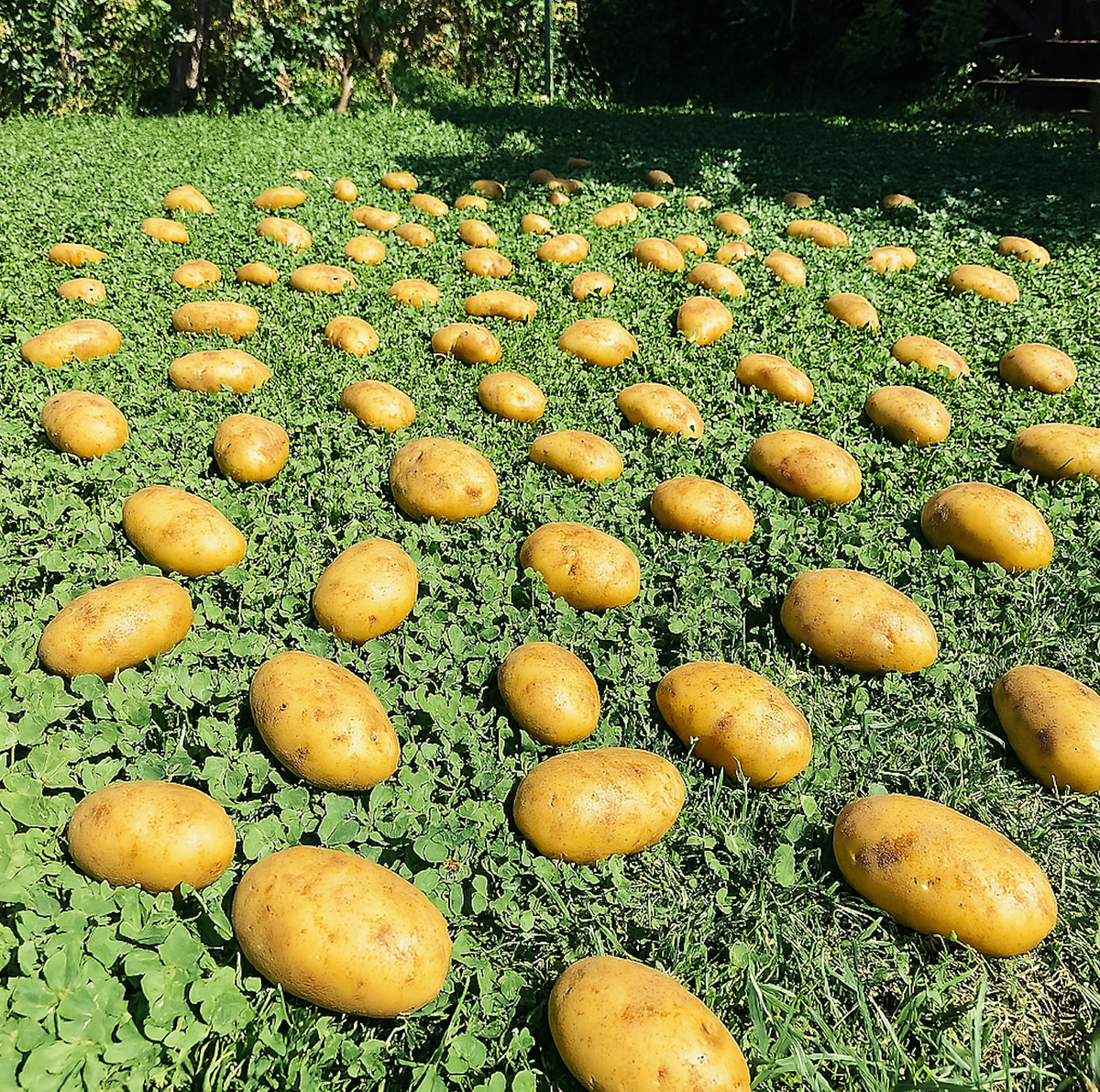
The Process: After harvesting, never wash your vegetables! Instead, lay them out in a single layer on your lawn in the sun to dry for a few hours. This hardens the skins and completely dries out the clinging dirt.
Old-School History: My grandmother used to dust her potatoes with wood ash or chalk, and she would dip her carrots in a liquid clay slurry to create a protective shell. While those methods are brilliant, I have adapted them into something much easier for the modern home gardener.
Step 2: Storing Potatoes (The Mint Trick)
Potatoes need to breathe, and they need to stay dark.
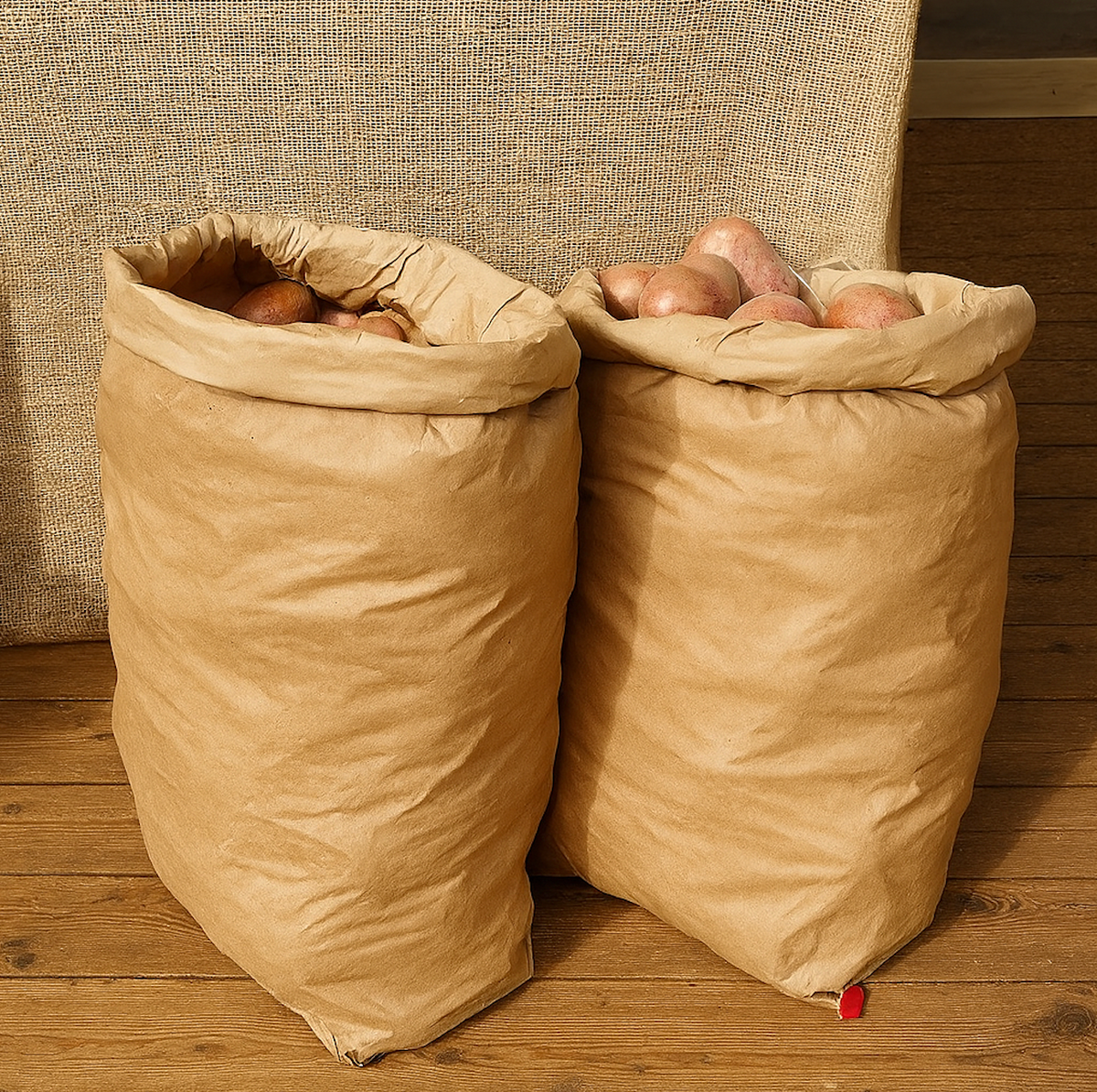
The Method: I store my potatoes in heavy-duty brown paper bags. But the real secret is adding handfuls of dried mint between the layers.
Why It Works: The paper bag blocks out the light (preventing the potatoes from turning green and toxic), while the strong scent of the dried mint acts as a powerful, natural insect repellent.
Step 3: Storing Carrots (The Sand & Onion Hack)
Carrots have a completely different cellular structure than potatoes; they lose moisture rapidly and turn rubbery if left exposed to the air.
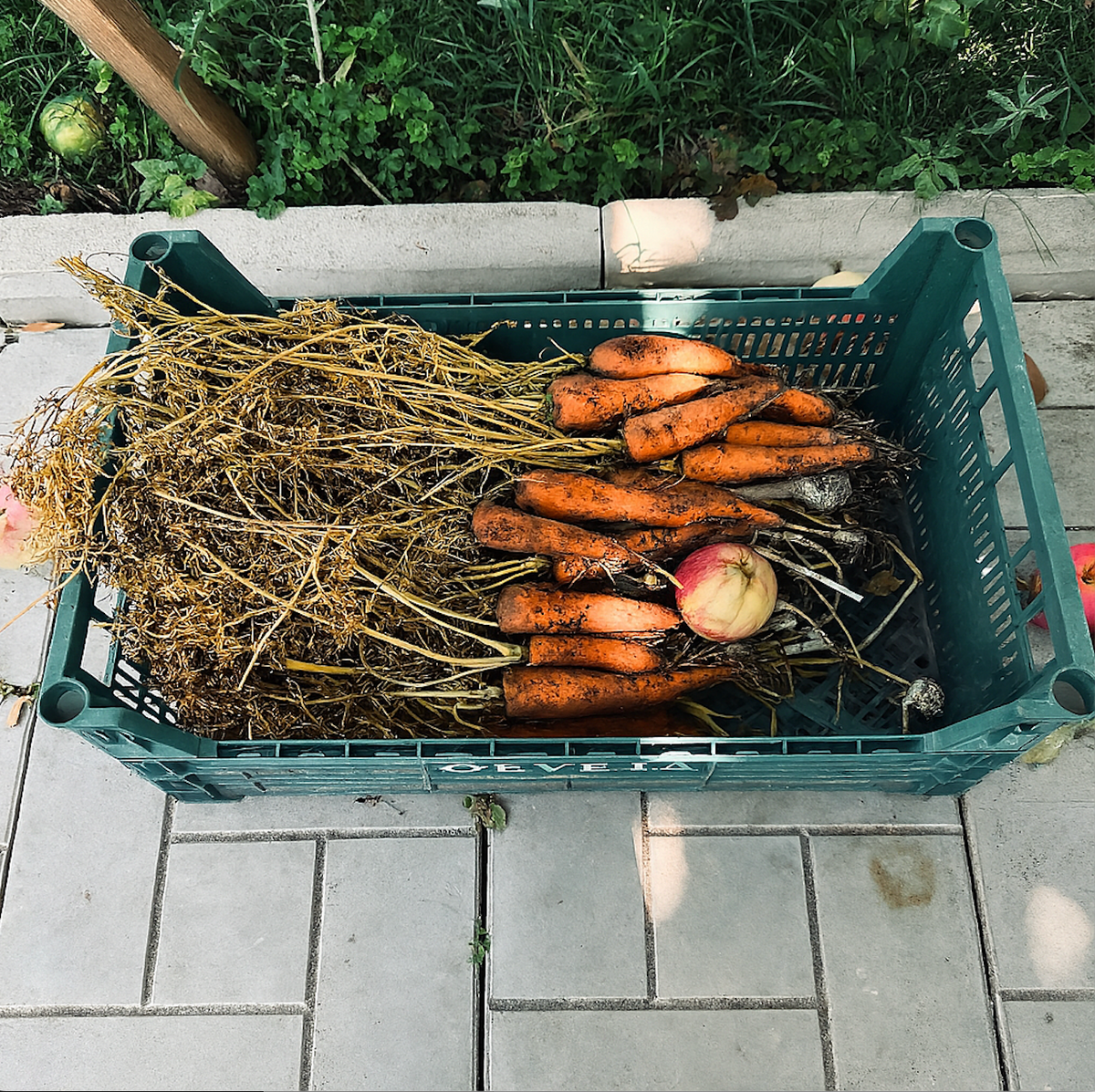
The Method: I store my carrots in sturdy wooden or plastic crates filled with dry sand. As I layer the carrots into the sand, I mix in handfuls of dry onion skins.
Why It Works: The sand insulates the carrots and keeps them crisp by preventing moisture loss. The onion skins act as a natural anti-fungal and antiseptic barrier, completely stopping rot in its tracks.
My "Never Do This" List
Through years of trial and error, I learned exactly what causes a harvest to fail. Avoid these common mistakes:
Never use plastic bags: Plastic traps the natural gases and moisture the vegetables release, creating a humid sauna that guarantees instant rot.
Never leave the carrot tops on: The green leafy tops act like straws, sucking the moisture and nutrients right out of the carrot root. Twist or cut them off immediately after harvesting!
Never seal the lids tightly: Whether you use a crate or a box, your vegetables need airflow. A suffocated vegetable is a moldy vegetable.
Never skip the weekly check: Spend five minutes a week inspecting your bags and crates. One rotting potato will quickly infect the rest. Remove any soft or suspicious-looking vegetables immediately.
Final Thoughts
Storing your summer harvest doesn't require expensive gadgets or extra refrigerator space. By using natural preservatives like mint and onion skins, and respecting the different needs of each vegetable, you can enjoy your homegrown produce for months.
How do you store your root vegetables when the fridge is full? Have you ever tried the sand storage method? Let me know in the comments below!

 DIY & Decor
  Edible Garden
  Houseplants
  Lawn & Landscaping
  Outdoor Plants
  Tips & Tools
No comments yet.