
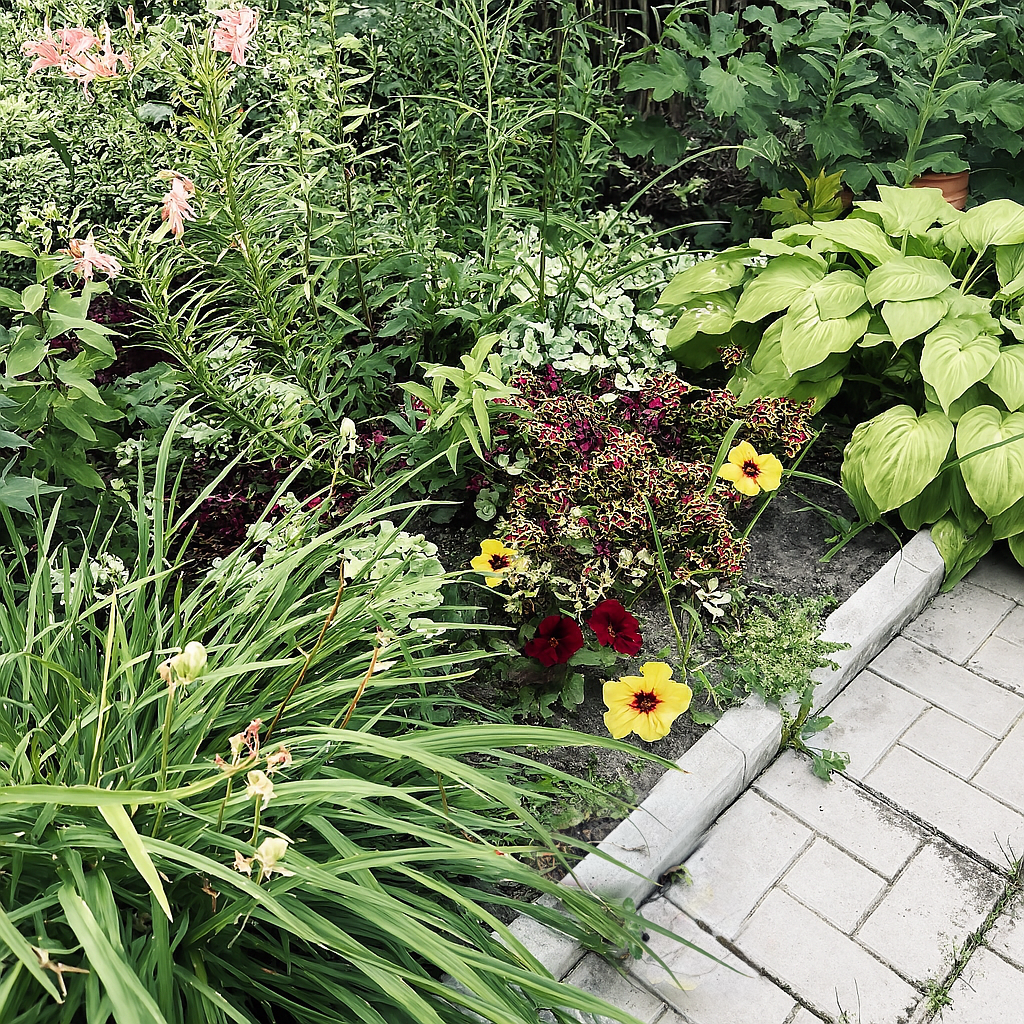
If you are looking at your fading, heat-stressed marigolds with a hint of mid-summer sadness, it’s time to give your flower beds a second wind. July is the perfect time to pop in some fresh, late-season bloomers that will carry your garden’s color palette all the way through the first fall frost.
Instead of grabbing the same tired flats of standard annuals, I recently hunted down a few unique varieties at my local garden center. These five finds are anything but boring—they add instant personality, texture, and a fresh wave of life to even the most standard backyard beds.
Here are my top five favorite mid-summer swaps.
1. Viola 'Matrix Ocean': A Breath of Cool Blue
When I saw a flat of these violas, I was immediately drawn to the color. It’s not a jarring, neon blue, but a soft, calming shade that looks exactly like the late evening sky.
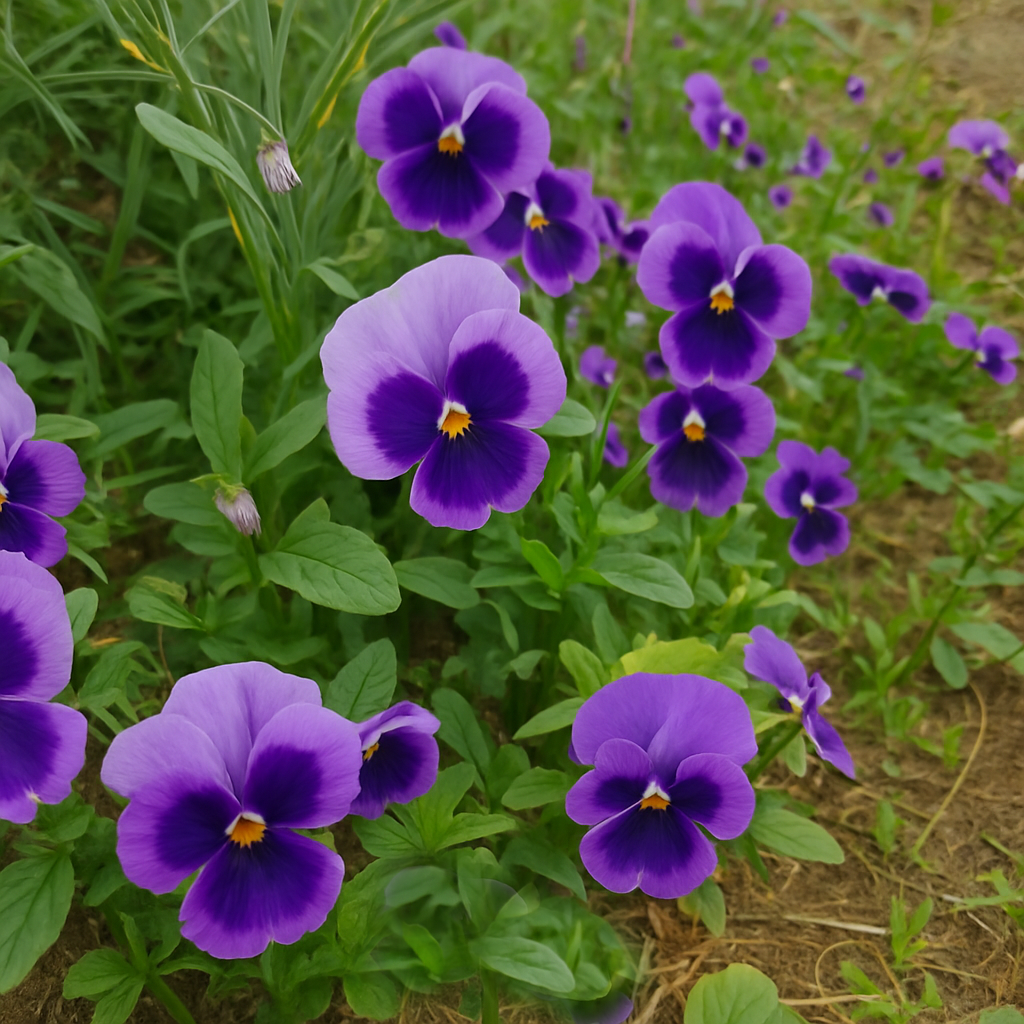
The Profile: This compact annual stays around 8 inches tall, making it the ultimate border or edging plant. When planted in groups, the velvety petals create a stunning, dense carpet of color.
Summer Care Tip: While violas prefer cooler weather (around 70–85°F), the 'Matrix' series is bred for better heat tolerance. If you plant them in July, just make sure they get afternoon shade and consistent moisture.
Design Hack: They look incredibly sophisticated when paired with silver-foliage plants like Dusty Miller or bright white Echinacea.
2. Peach Petunias ('Espresso Grande' Series): Warm & Creamy Elegance
If a flower could be a summer cocktail, this peach petunia would be it. The color is soft, creamy, and sophisticated—a massive upgrade from the standard neon pinks you usually see.
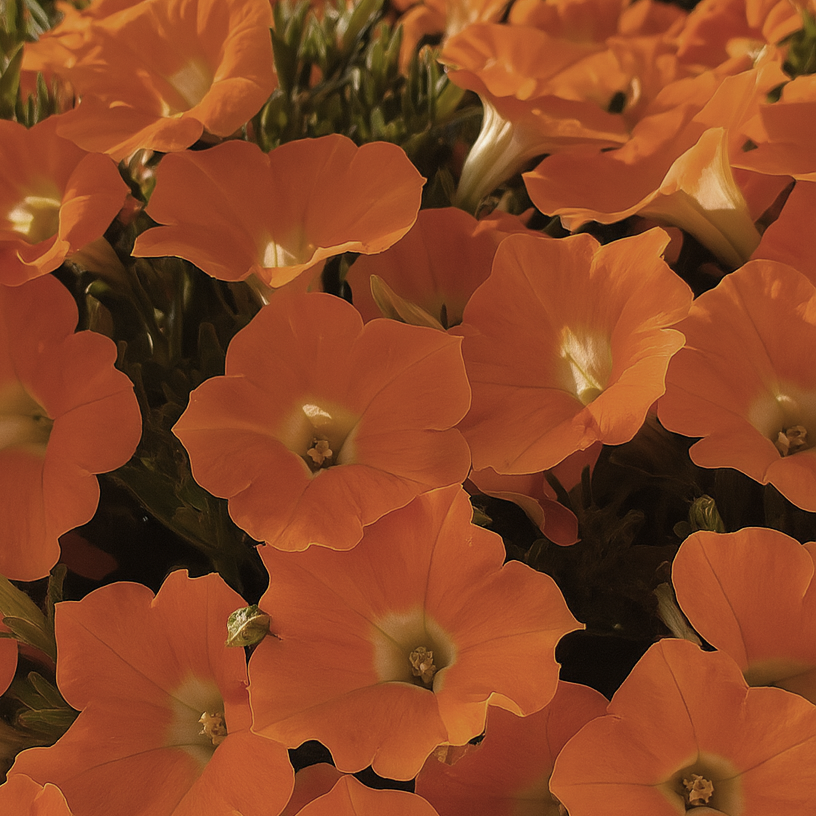
The Profile: Growing to about 10 inches tall, this variety forms a thick, mounding habit. It loves the sun, tolerates July heat like a champion, and will pump out blooms until September.
Where to Plant: Because of its cascading growth habit, it is an absolute showstopper in hanging baskets, window boxes, or draped over the edge of a raised stone bed.
Design Hack: Pair these warm peach blooms with trailing silver Dichondra or deep blue verbena for a high-contrast, professional look.
3. Fringed Dianthus ('Exotic Butterflies'): Ruffled Perfection
This dianthus is a tiny explosion of exotic texture! The heavily fringed, ruffled petals and bright color palette make it look like a collection of miniature fireworks scattered across the garden.
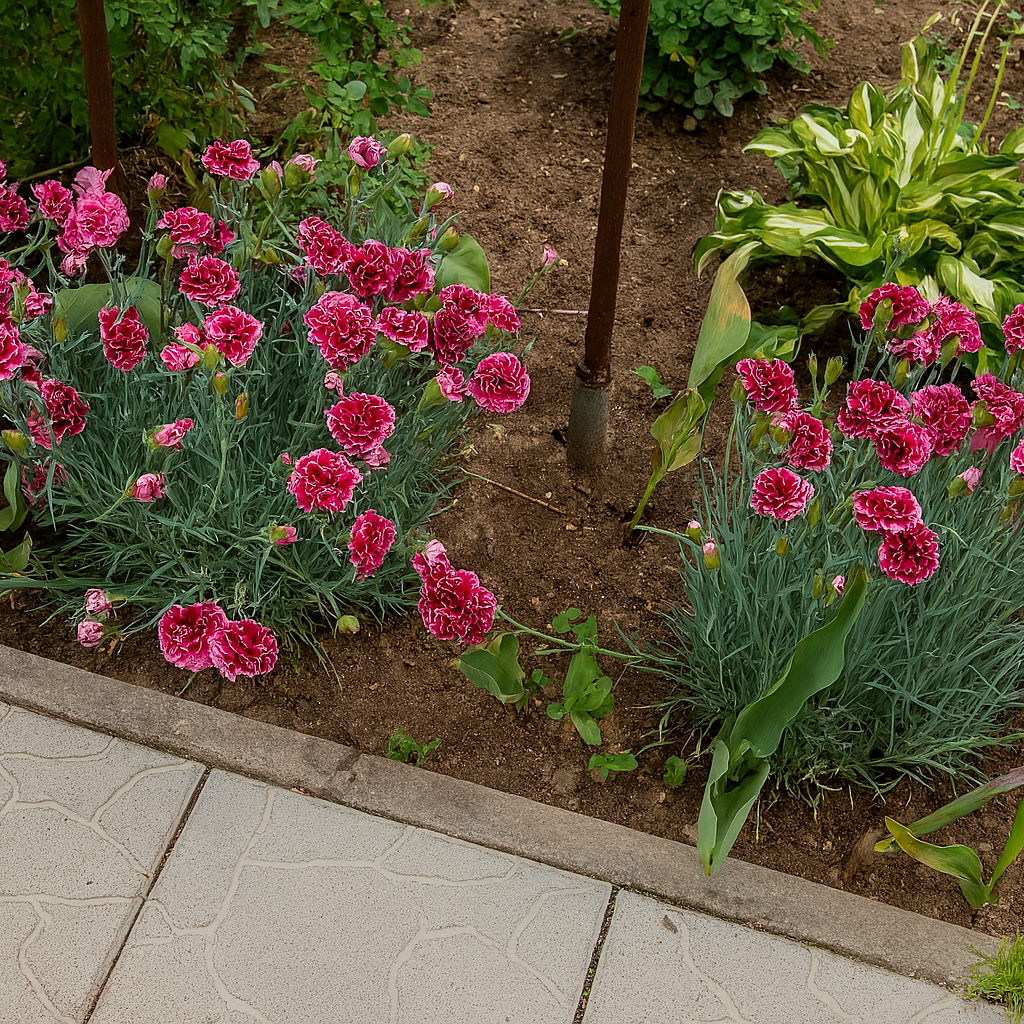
The Profile: The sturdy little bushes reach about 12 inches tall, with blooms measuring around 1.5 inches across. They are incredibly wind-resistant and hold up well to sudden temperature drops in the early fall.
The Bonus: Dianthus (often called "Pinks") has a wonderful, spicy clove scent. They also make fantastic, long-lasting cut flowers for your kitchen table!
Design Hack: Plant them along your most heavily trafficked walkways so you can catch their fragrance every time you walk by.
4. Nasturtium 'Day and Night': The Ultimate Garden Chameleon
Nasturtiums are often the unsung heroes of the summer garden, but the 'Day and Night' mix is a total revelation. As the name suggests, the blooms range from a pale, creamy white to a dark, velvety burgundy.
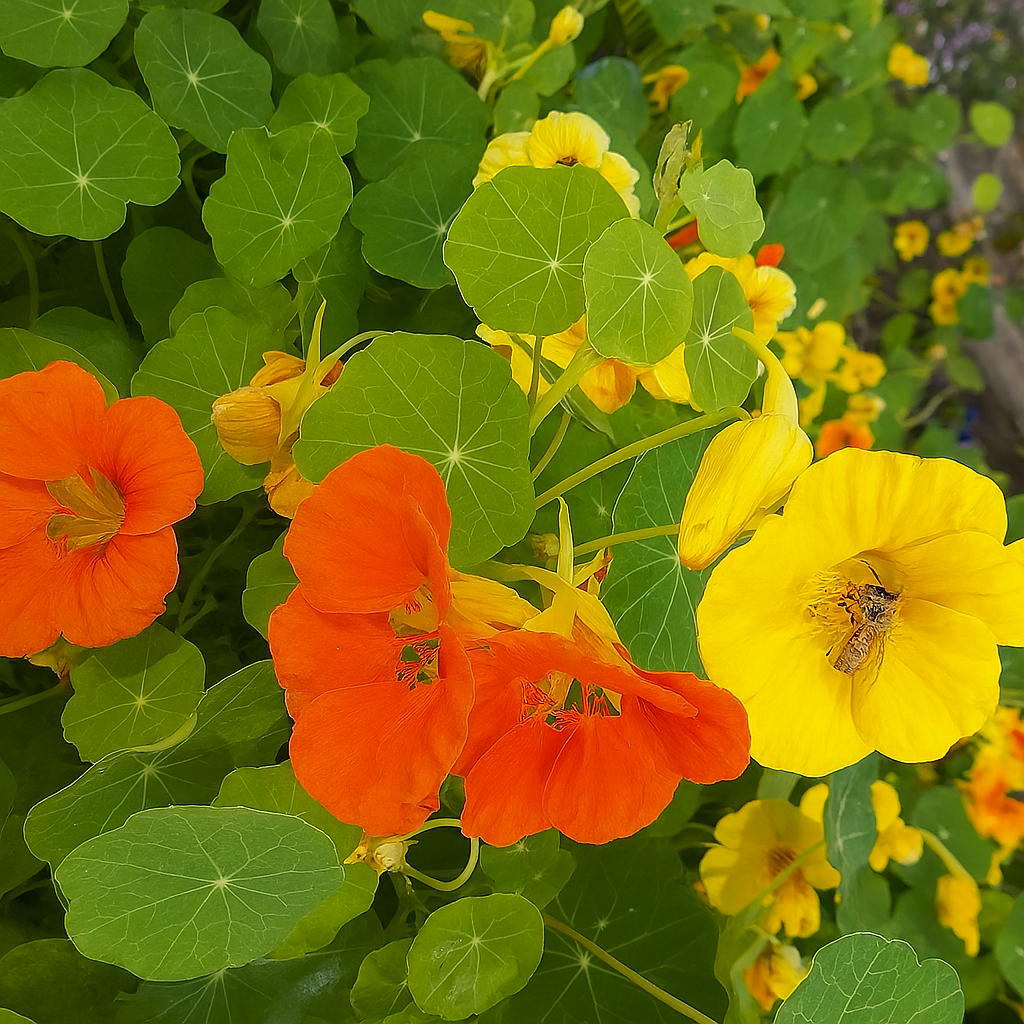
The Profile: Nasturtiums grow incredibly fast. Even if you start them from seed in July, you will have a thick canopy of beautiful, lily-pad-shaped leaves and bright flowers by August. They top out at about 12 inches tall and bloom vigorously until October.
The Bonus: Nasturtiums thrive in poor soil and actually produce more flowers if you don't fertilize them. They also act as a brilliant "trap crop," pulling pests like aphids away from your prized vegetables.
Where to Plant: Let them spill over retaining walls, fill in empty gaps where early-spring bulbs have died back, or use them as a "spiller" in a large patio container.
5. Dwarf Delphinium ('Butterfly' Series): Vertical Magic
Most delphiniums are towering giants that bloom early in the summer, but the dwarf 'Butterfly' varieties (usually Delphinium grandiflorum) are elegant, mid-summer superstars.
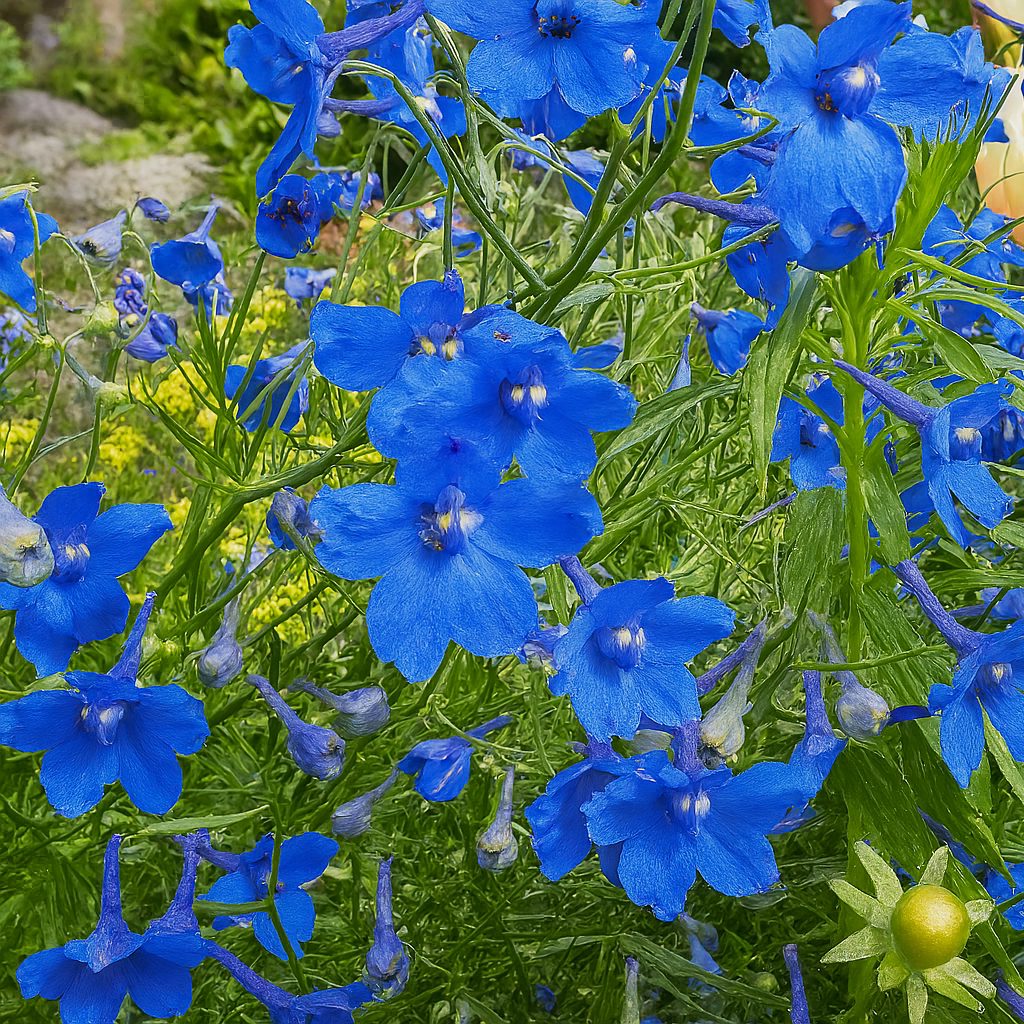
The Profile: They produce large (up to 2-inch) electric-blue or pure white flowers on airy stems that reach about 16 inches tall.
The Impact: They add instant architectural depth and vertical interest to flat flower beds. They need full sun and well-draining soil to really show off.
The Bonus: While often treated as an annual, if you have a mild winter and mulch the crown heavily in the fall, they might just surprise you and pop back up next spring!
Give Your July Garden a Second Life
These five plants are my answer to mid-summer garden fatigue. By mixing in different textures—from the velvety ruffled edges of the Dianthus to the climbing vines of the Nasturtium—you turn a standard flower bed into a dynamic, living art piece.
July is not the time to give up on your garden; it’s an opportunity to experiment and breathe new life into your landscape.
Have you ever done a "second wave" of summer planting? What are your favorite late-summer flowers? Let’s swap ideas in the comments below!



 DIY & Decor
  Edible Garden
  Houseplants
  Lawn & Landscaping
  Outdoor Plants
  Tips & Tools

No comments yet.