
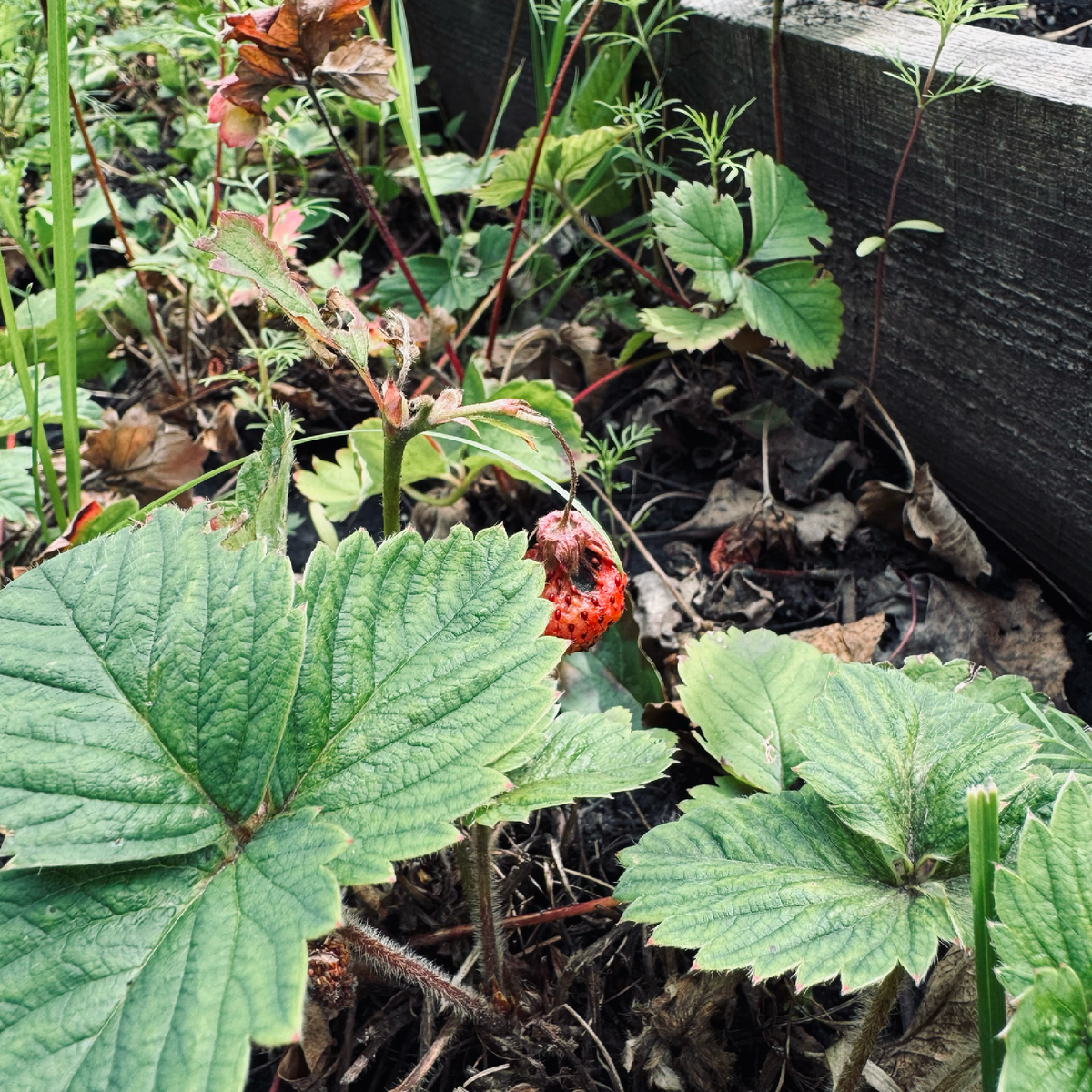
Growing up, strawberries were my ultimate symbol of summer. We never worried about soil chemistry or complicated fertilizers; the plants just grew, and the berries were incredibly sweet.

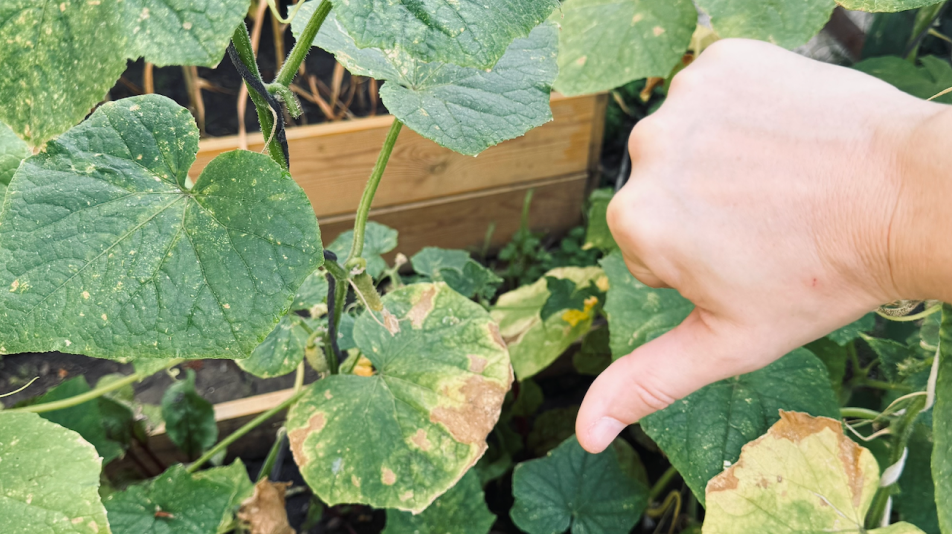
When I finally started my own backyard garden, I wanted to recreate that massive strawberry patch. I bought a premium, large-fruiting variety, planted them carefully, watered them, and added plenty of mulch. The first spring, they looked okay. But by summer, instead of a lush harvest, I got tiny, sour, deformed berries. Half of them never even ripened, and the leaves looked tired and yellowing.
The Investigation: What Was I Doing Wrong?
The following year, the exact same thing happened. I blamed the variety, so I ripped some out and planted new ones. Zero difference. I was watering correctly, the soil felt loose, and I was weeding religiously. It felt like strawberries simply refused to grow in my yard.
One evening, while watching a gardening tutorial, I heard a phrase that made me pause: "Highly acidic soil is a death sentence for strawberries."
Could that be it? I decided to stop guessing and start testing.
The Hack: Playing Garden Detective
Instead of sending a soil sample to an expensive lab, I went to my local garden center and bought a cheap pack of pH test strips (litmus paper)—the exact same kind you probably used in high school chemistry class.
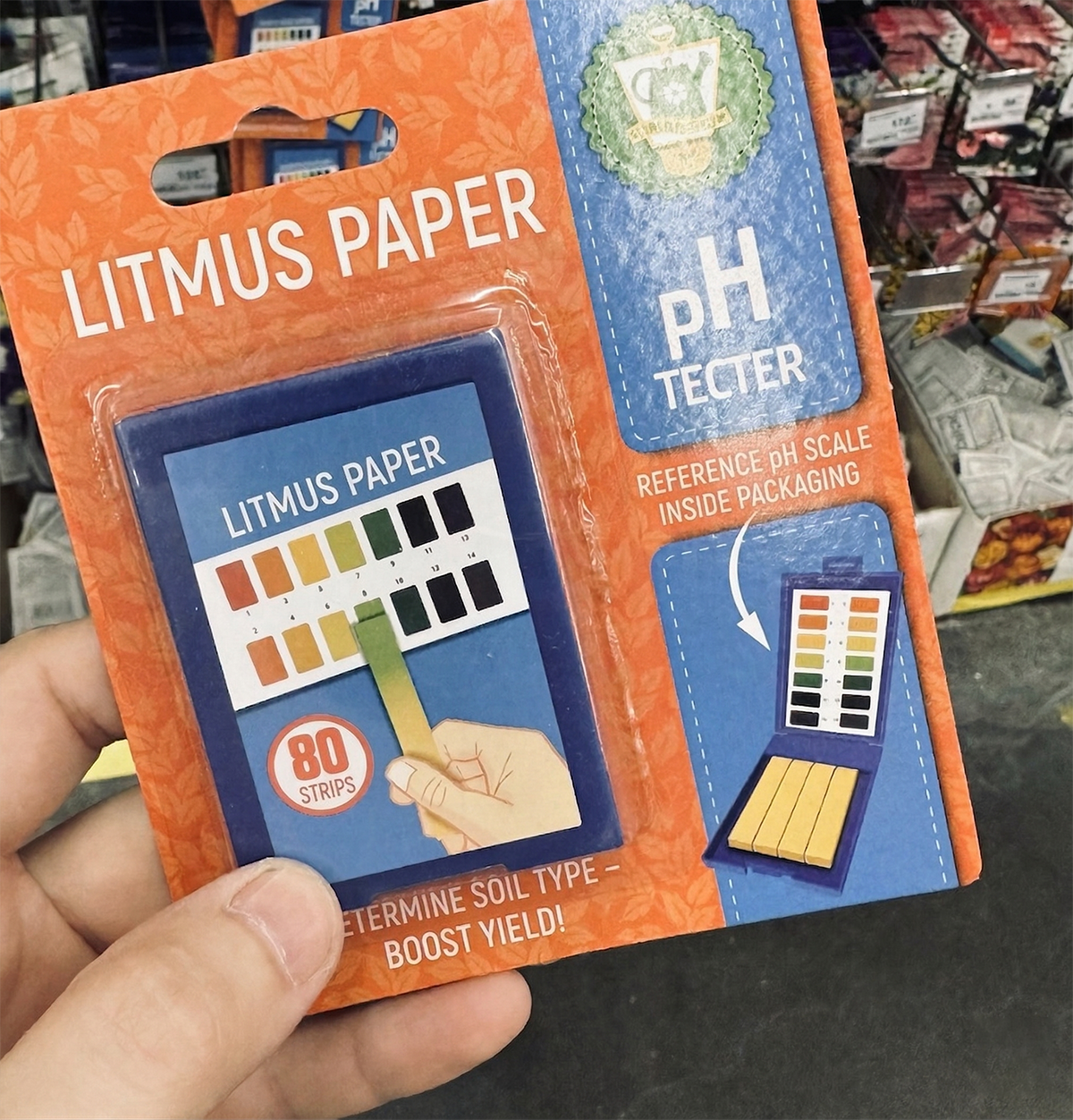
Here is how I tested my soil:
I scooped a handful of soil from right under my struggling strawberry plants.
I mixed the soil with a little bit of distilled water (it has to be distilled, or your tap water's pH will ruin the test) to make a muddy slurry.
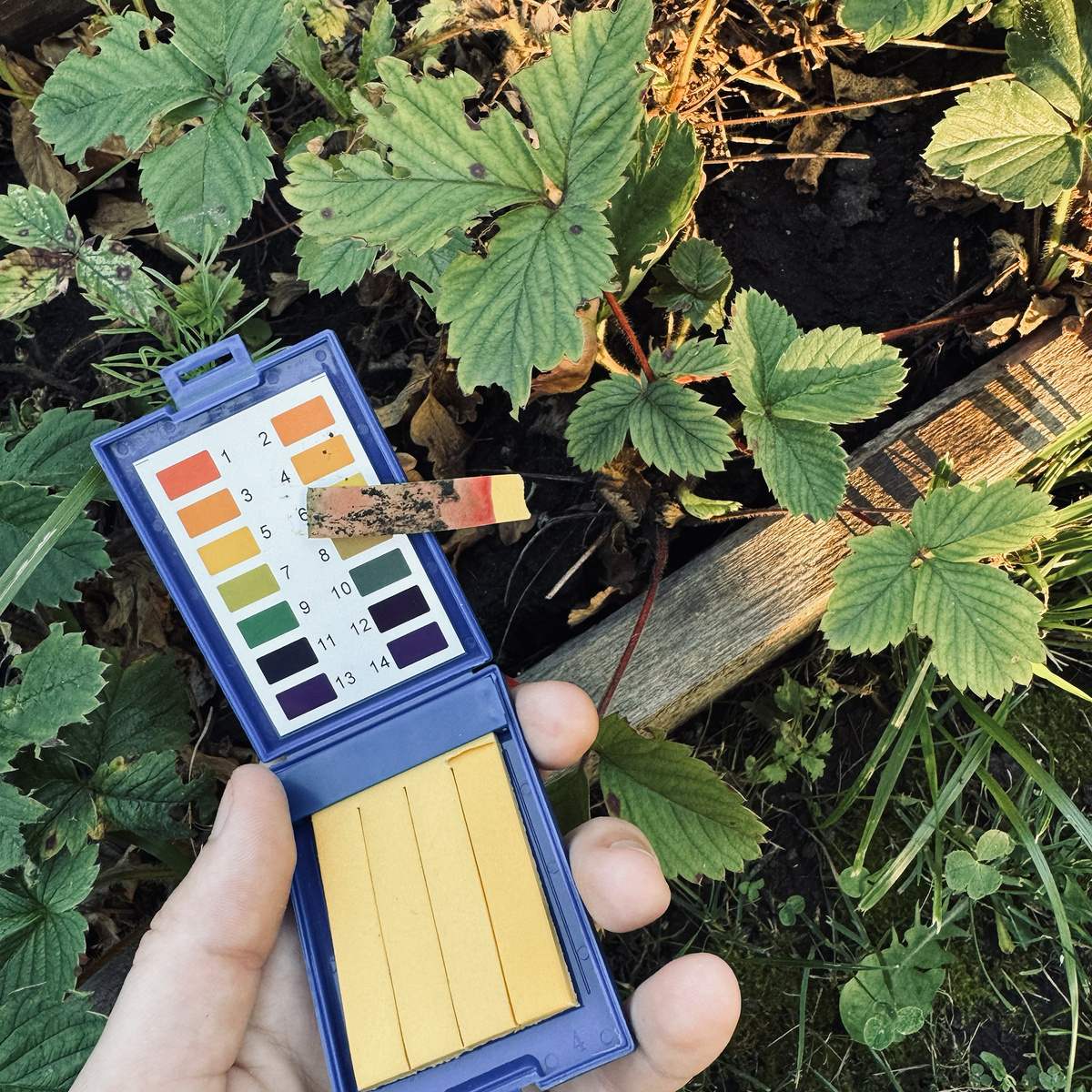
I dipped the paper strip into the mud and wiped it clean.
The strip instantly turned bright pinkish-red.
I checked the color chart on the box. My soil had a pH of 4.5 to 5.0. I tested a few other spots in the garden, and they were all highly acidic.
Strawberries thrive in slightly acidic to neutral soil, ideally between 5.5 and 6.5. My soil was essentially a giant, acidic peat bog. Blueberries would have loved it, but my strawberries were suffocating.
How I Fixed My Acidic Soil and Saved the Harvest
Once I knew the actual problem, the fix was surprisingly straightforward. Here is exactly what I did to neutralize my soil:
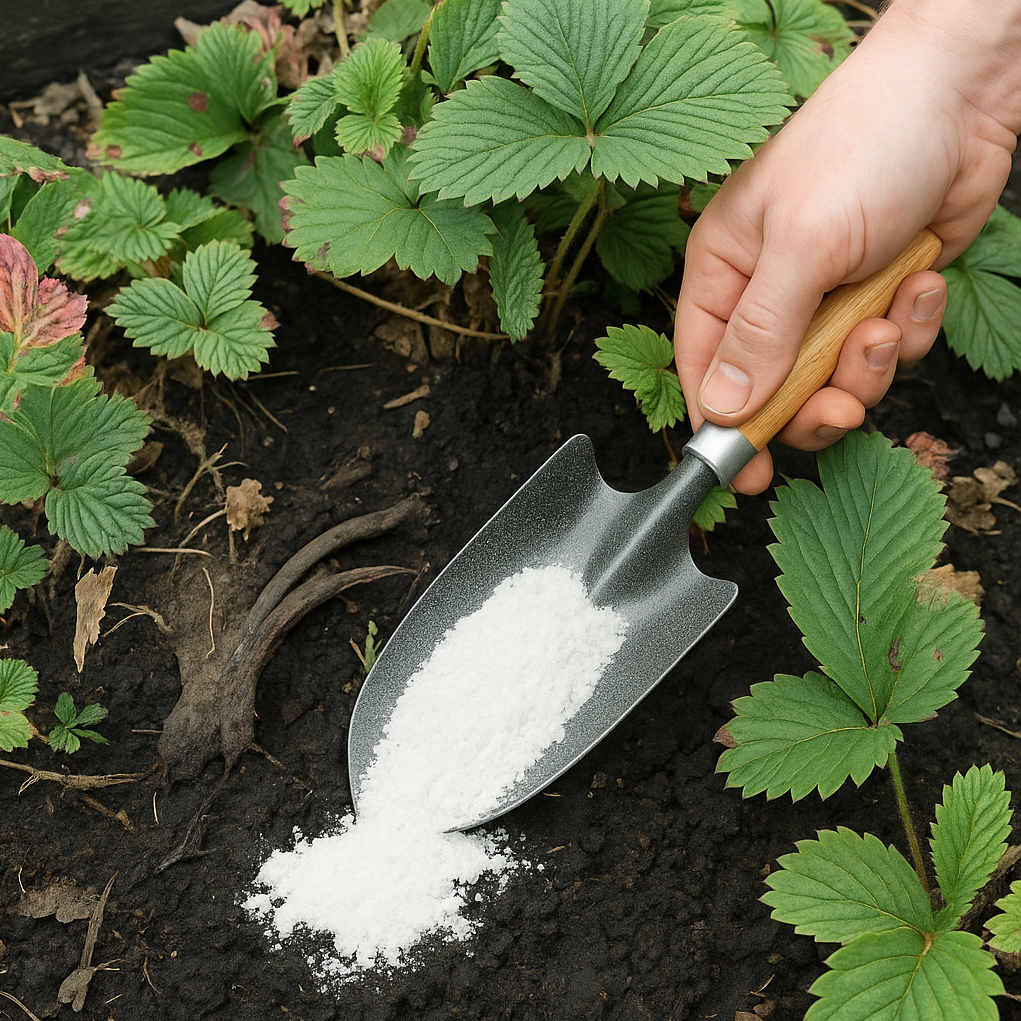
Adding Dolomite Lime: In the fall, I applied Garden Lime (Dolomite) to the strawberry beds at a rate of roughly 1 pound per 10 square feet. I worked it into the topsoil and let it sit over the winter. I did a lighter application the following spring.
Regular pH Checks: I now check my soil with those cheap paper strips every few weeks. It takes two minutes and has become a standard part of my gardening routine.
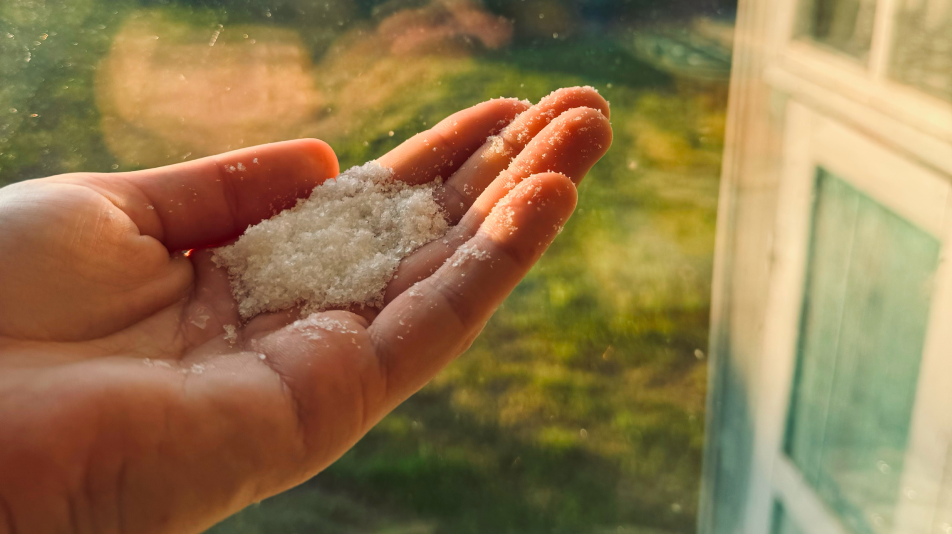
Wood Ash and Compost: I started top-dressing the beds with aged compost to improve the soil structure. I also added light dustings of wood ash, which is naturally alkaline and helps neutralize acidity while providing a great boost of potassium.
Cover Crops: In the empty spots, I planted mustard seed as a cover crop, which naturally improves soil health and suppresses pests like nematodes.
The Sweet Reward
By the third year of my strawberry saga, the soil chemistry had finally balanced out. That summer, I harvested the biggest, sweetest, most picture-perfect strawberries I had ever grown.
It was incredibly emotional to finally see that success after years of frustration. I had healthy plants, massive yields, and runners to share with all my neighbors.
My Biggest Takeaway
If a plant is failing in your garden, don't automatically blame the weather, your watering schedule, or the plant variety. Sometimes, it’s just basic chemistry.
Keep a $5 pack of pH test strips in your garden shed. Before you rip out a struggling plant or buy expensive fertilizers, test your soil. You might just find the answer is sitting right in front of you.


 DIY & Decor
  Edible Garden
  Houseplants
  Lawn & Landscaping
  Outdoor Plants
  Tips & Tools
No comments yet.